
Medications that cause dizziness and fall risk
Several common medications can cause dizziness, affect balance, and increase the risk of falls, especially in older adults and when multiple drugs are combined [1].
How do medications affect balance?
Medications can affect the body in different ways that lead to dizziness. Some act on the brain and slow reaction time, while others lower blood pressure or directly affect balance. In older adults, the body is more sensitive to medications. Drug metabolism is slower, and the effects may be stronger, increasing the risk of side effects such as dizziness and unsteadiness.
Common medications that can cause dizziness
Several types of medications are known to affect balance.
Sleeping pills and sedatives
Sleeping pills and sedatives affect the central nervous system. They can cause drowsiness, slower reactions, and unsteadiness. These effects may persist into the next day, increasing the risk of falls, especially in the morning or during nighttime awakenings.
Blood pressure medications
Medications that lower blood pressure can sometimes cause it to drop too much, particularly when standing up. This may lead to dizziness, weakness, and dimmed vision. The risk is highest when starting treatment or adjusting doses.
Antidepressants
Some antidepressants can affect both blood pressure and balance. They may also cause side effects such as fatigue and dizziness. In older adults, these effects may be more pronounced and contribute to an increased fall risk.
Pain medications
Stronger pain medications, especially opioids, can affect the brain and cause dizziness, drowsiness, and reduced alertness. This can make it harder to move safely, particularly when combined with other medications.
Combination of multiple medications
Many older adults take several medications at the same time, a situation known as polypharmacy. When multiple drugs are combined, their effects may interact and increase the risk of dizziness. This is especially true when medications with similar side effects are used together, such as those affecting the nervous system or blood pressure.
Common symptoms of medication-related dizziness
Dizziness caused by medications can present in different ways.
Common symptoms include:
- Unsteadiness or balance problems
- Fatigue and drowsiness
- Feeling faint
- Difficulty concentrating
- Slower reaction time
Symptoms may be constant or occur when medications are started or changed.
Medications and fall risk
When balance and reaction time are affected, the risk of falling increases.
This can lead to:
- Tripping
- Slower response to loss of balance
- Difficulty noticing obstacles
Some medications, particularly corticosteroids used long-term, can also cause osteoporosis (brittle bone disease) – making any fall significantly more dangerous.
In older adults, the risk is especially high because multiple factors often interact, such as reduced vision, muscle weakness, and other health conditions. Research shows that medications are a significant contributing factor to falls [2].
When should you be extra cautious?
It is particularly important to be aware of dizziness in connection with:
- Starting a new medication
- Dose changes
- Taking multiple medications
- Sudden balance problems
If dizziness occurs in connection with medication use, healthcare providers should review the treatment.
What can you do?
To reduce the risk of dizziness and falls:
- Review medications regularly with healthcare providers
- Be cautious when standing up
- Avoid sudden movements
- Pay attention to new symptoms
Small adjustments can make a significant difference in everyday safety.
When should you seek medical care?
Seek medical attention if:
- Dizziness is new or worsening
- You have fallen or feel unsteady
- Symptoms affect daily life
- You suspect medications are causing the problem
It is important not to stop or change medications without consulting a healthcare professional.
More information is available via 1177 Vårdguiden [1].
Safety alarm with automatic fall alarm can increase safety for people with an increased risk of falling
Sensorem’s personal alarm is an example of a technical aid specially developed for people who have an increased risk of falling. The personal alarm can automatically trigger the alarm in the event of a fall and then call relatives using the watch’s built-in speakerphone with two-way communication. The personal alarm works outdoors and has built-in GPS positioning so that relatives can see the user’s position on a map in the Sensorem app.
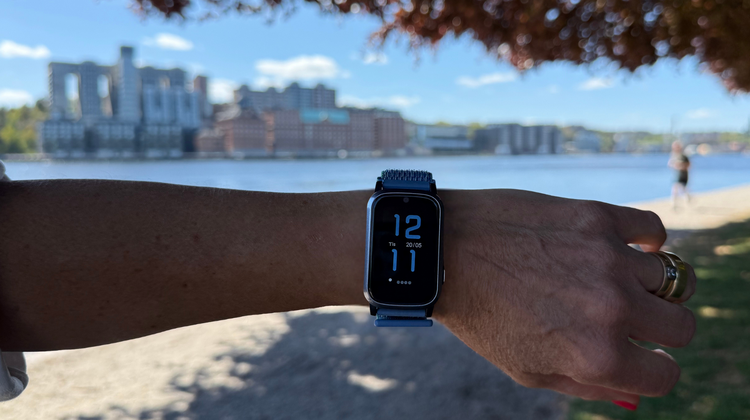
READ ABOUT HOW SENSOREM’S PERSONAL ALARM AUTOMATICALLY CAN DETECT A FALL
Sources:
- 1177 Vårdguiden – Medications and side effects.
- Public health data on falls among older adults.