
Symptoms of Glaucoma (Green Cataract)
Glaucoma, also called green cataract, causes gradual visual field loss that is often detected late and may increase fall risk in older adults [1].
Early Symptoms
In the early stages, most people notice little or no change. When symptoms do appear, they often include:
-
Difficulty noticing objects from the side
-
A feeling that the visual field is narrowing
-
Increased uncertainty in unfamiliar environments
Since changes occur gradually, many people adapt without realizing their vision is declining.
Visual Field Loss – The Most Common Sign
The hallmark symptom of glaucoma is loss of peripheral vision, sometimes described as “tunnel vision” [1].
This may lead to:
-
Missing steps
-
Not seeing furniture at the side
-
Difficulty navigating crowded spaces
-
Bumping into door frames
In advanced stages, central vision can also become affected.
Acute Glaucoma – Rare but Serious
A less common form is acute angle-closure glaucoma. In this case, eye pressure rises rapidly and causes clear symptoms:
-
Severe eye pain
-
Headache
-
Nausea
-
Sudden vision loss
This is a medical emergency and requires immediate care [1].
Symptoms and Aging
The risk of glaucoma increases with age, particularly after 60–65 years [1]. Because early glaucoma is often symptom-free, regular eye examinations are important in later life.
Many cases are detected during routine eye exams.
Glaucoma and Fall Risk
Peripheral vision is essential for detecting obstacles and movement in the environment. When it declines, the risk increases for:
-
Tripping over objects
-
Missing steps
-
Feeling unsteady while walking
Research shows that visual field loss is associated with increased risk of falls and fractures in older adults [2].
Because vision changes occur slowly, individuals may be unaware that their visual field has narrowed, further increasing fall risk.
When to Seek Medical Care
Seek medical evaluation or schedule an eye exam if you:
-
Have a family history of glaucoma
-
Notice changes in your visual field
-
Feel increasingly unsteady while walking
Early detection and treatment can slow disease progression.
More information is available via 1177 Vårdguiden [1].
Safety alarm with automatic fall alarm can increase safety for people with an increased risk of falling
Sensorem’s personal alarm is an example of a technical aid specially developed for people who have an increased risk of falling. The personal alarm can automatically trigger the alarm in the event of a fall and then call relatives using the watch’s built-in speakerphone with two-way communication. The personal alarm works outdoors and has built-in GPS positioning so that relatives can see the user’s position on a map in the Sensorem app.
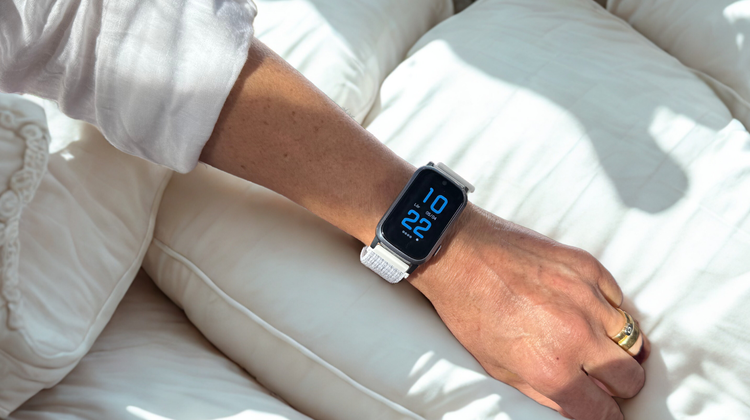
READ ABOUT HOW SENSOREM’S PERSONAL ALARM AUTOMATICALLY CAN DETECT A FALL
Sources:
- 1177 Vårdguiden – Glaucoma (Grön starr).
- Public health data on falls among older adults.