What Is Glaucoma (Green Cataract)?
Glaucoma, also called green cataract, is an eye disease that damages the optic nerve and gradually reduces the visual field. It mainly affects peripheral vision and is often detected late, which may increase fall risk in older adults [1].
What Happens in the Eye?
Inside the eye, fluid is continuously produced and drained. If drainage is impaired, eye pressure can increase.
Elevated intraocular pressure may damage the optic nerve, which transmits visual signals to the brain [1]. The damage is permanent and cannot be reversed, but progression can often be slowed with treatment.
Some forms of glaucoma occur even when eye pressure is within normal range.
How Common Is Glaucoma?
Glaucoma is one of the leading causes of vision impairment worldwide.
In Sweden, approximately 100,000 people are estimated to have glaucoma, and prevalence increases significantly with age [2]. The risk rises notably after age 70.
Because the disease progresses slowly, many individuals are unaware they are affected.
Common Symptoms
In early stages, glaucoma rarely causes noticeable symptoms [1].
As the disease progresses, symptoms may include:
-
Reduced visual field (“tunnel vision”)
-
Difficulty detecting objects from the side
-
Problems navigating unfamiliar environments
-
Increased unsteadiness while walking
In advanced stages, central vision may also become affected.
Glaucoma and Aging
Age is the most important risk factor for glaucoma [1]. Risk increases steadily after age 60–65.
Other risk factors include:
-
Family history
-
High intraocular pressure
-
High blood pressure
Because early glaucoma is often symptom-free, regular eye examinations are important later in life.
Glaucoma and Fall Risk
Peripheral vision is crucial for detecting obstacles, steps, and movement in the environment. When visual fields narrow, individuals may:
-
Miss objects at their side
-
Bump into furniture
-
Misjudge stairs or level changes
Research shows that visual field loss is associated with increased risk of falls and fractures in older adults [3].
Because vision changes occur gradually, individuals may not notice their shrinking field of vision, further increasing fall risk.
Treatment
Treatment aims to lower intraocular pressure and slow disease progression [1].
Common treatment options include:
-
Prescription eye drops
-
Laser therapy
-
Surgery
Treatment cannot restore lost vision but can reduce the risk of further damage.
When to Seek Medical Care
Glaucoma often has no early symptoms. Regular eye exams are therefore essential, especially after age 60.
Seek medical evaluation if you:
-
Have a family history of glaucoma
-
Notice changes in your visual field
-
Feel increasingly unsteady while walking
More information is available via 1177 Vårdguiden [1].
Safety alarm with automatic fall alarm can increase safety for people with an increased risk of falling
Sensorem’s personal alarm is an example of a technical aid specially developed for people who have an increased risk of falling. The personal alarm can automatically trigger the alarm in the event of a fall and then call relatives using the watch’s built-in speakerphone with two-way communication. The personal alarm works outdoors and has built-in GPS positioning so that relatives can see the user’s position on a map in the Sensorem app.
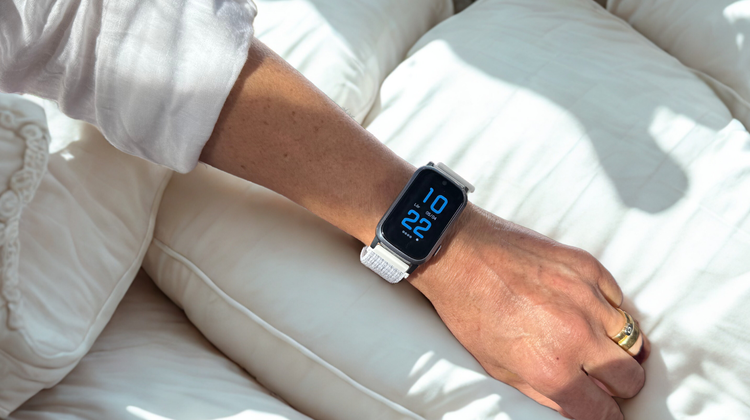
READ ABOUT HOW SENSOREM’S PERSONAL ALARM AUTOMATICALLY CAN DETECT A FALL
Sources:
- 1177 Vårdguiden – Glaucoma (Grön starr).
- Swedish Eye Foundation – Glaucoma statistics in Sweden.
- Public health data on falls among older adults.