
Stroke Symptoms in Women – What You Need to Know
Stroke is one of the leading causes of death in women. Symptoms can differ from those in men – and the unusual warning signs are often missed. Recognising them could be the difference between life and death.
Stroke in women – a silent danger
Stroke is one of the most common causes of death in women. Many do not know that stroke symptoms can vary between women and men. Recognising the early signs can be crucial to getting rapid care. Read more about safety alarm after stroke and symptoms after a TIA.
Common stroke symptoms in women
The classic signs of stroke are:
- Sudden numbness or weakness in the face, arm or leg – especially on one side of the body
- Difficulty speaking or understanding speech
- Sudden loss of vision in one eye or double vision
- Dizziness, balance problems or unsteadiness
- Severe headache with no obvious cause
Unusual symptoms more common in women
- Nausea or vomiting
- Hiccups
- Sudden fatigue or weakness
- Fainting or loss of consciousness
- Shortness of breath
- Confusion or disorientation
- Sudden emotional changes such as anxiety or panic
These symptoms can easily be mistaken for other conditions, making it even more important to stay alert – especially if several appear together.
When to seek help?
If you suspect a stroke, time is critical. Use the FAST test:
- Face – is one side drooping?
- Arms – is one arm weak or numb?
- Speech – is speech slurred or strange?
- Time – call 999 immediately!
Stroke kills more women than men
Research shows that more women than men die from stroke, partly because women tend to be affected at an older age, but also because symptoms are sometimes misread.
Read more: What is a stroke? – Safety alarm after stroke – Symptoms after TIA – Automatic fall alarm
Safety alarm with automatic fall alarm can increase safety for people with an increased risk of falling
Sensorem’s personal alarm is an example of a technical aid specially developed for people who have an increased risk of falling. The personal alarm can automatically trigger the alarm in the event of a fall and then call relatives using the watch’s built-in speakerphone with two-way communication. The personal alarm works outdoors and has built-in GPS positioning so that relatives can see the user’s position on a map in the Sensorem app.
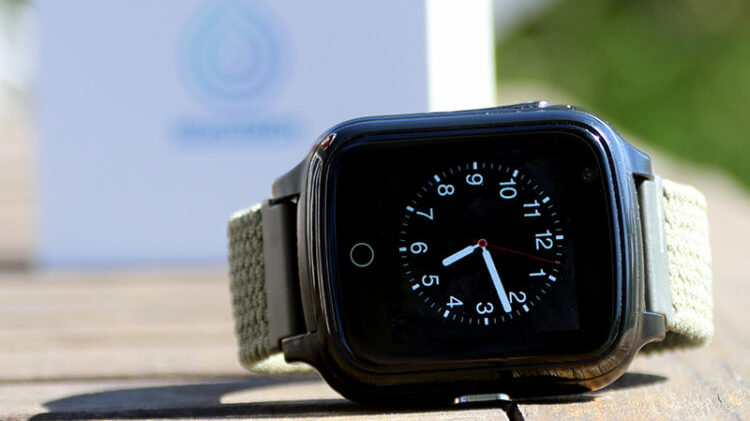
SENSOREM’S PERSONAL ALARM CAN INCREASE SAFETY AFTER A STROKE
References
- [1] Stroke Association. Stroke in women. https://www.stroke.org.uk
- [2] NHS. Stroke symptoms. https://www.nhs.uk
- [3] American Stroke Association. Stroke symptoms in women. https://www.stroke.org