
What is heart failure?
Heart failure affects around 200,000–250,000 people in Sweden, with about 30,000 new cases each year. Common symptoms include shortness of breath, fatigue, and swollen legs. The condition also increases the risk of falls due to dizziness, low blood pressure, and muscle weakness. Preventive measures such as exercise, home adjustments, and safety alarms can reduce risks and improve everyday safety.
Definition and overview
Heart failure – also called cardiac insufficiency – means that the heart can no longer pump blood efficiently enough. As a result, the body’s organs and tissues do not get the oxygen and nutrients they need. The condition is chronic, but symptoms and severity vary widely among individuals.
Heart failure is not a single disease but rather a syndrome that develops as a consequence of other cardiovascular conditions, such as heart attack, high blood pressure, or valve disorders.
Prevalence and statistics
In Sweden, an estimated 200,000–250,000 people live with heart failure [1], and around 30,000 new cases are diagnosed each year. Prevalence increases sharply with age: about 10% of people over 80 suffer from heart failure.
Globally, heart failure is also very common. European studies show that approximately 1–2% of the population has heart failure, with significantly higher rates among the elderly [2].
Common symptoms
Symptoms of heart failure often develop gradually and may sometimes be mistaken for “normal aging.” The most common include:
-
Shortness of breath, especially during exertion or when lying down
-
Fatigue and reduced stamina
-
Swelling in legs, ankles, and feet
-
Weight gain due to fluid retention
-
Heart palpitations
-
Night-time cough or need to sleep with the head elevated
Risk factors
Heart failure usually develops as a result of other cardiovascular diseases. Major risk factors include:
-
Previous heart attack
-
High blood pressure
-
Heart rhythm disorders (e.g., atrial fibrillation)
-
Heart valve disease
-
Diabetes
-
Advanced age
Treatment
Heart failure cannot be cured, but treatment can relieve symptoms, slow disease progression, and improve quality of life.
Treatment typically includes a combination of:
-
Medications: such as diuretics, blood pressure-lowering drugs, and heart-protective medicines.
-
Lifestyle changes: regular exercise, reduced salt intake, and smoking cessation.
-
Medical devices: some patients receive a pacemaker or an implantable cardioverter defibrillator (ICD).
-
Advanced therapy: in severe cases, heart transplantation or mechanical heart support may be considered.
How heart failure increases fall risk
People with heart failure face a significantly higher risk of falling. Several factors contribute:
-
Dizziness and low blood pressure: Many heart failure medications lower blood pressure, which can cause dizziness and fainting.
-
Muscle weakness: Reduced stamina and inactivity weaken muscles and balance.
-
Breathlessness: Difficulty breathing can lead to sudden stops or loss of balance.
-
Fluid retention and swelling: Swollen legs and feet may reduce stability.
-
Cognitive effects: Prolonged oxygen deficiency can impair concentration and reaction time.
Studies show that older adults with heart failure have up to twice the risk of falling compared with peers without heart disease [3]. Falls can cause hip fractures or other severe injuries, complicating treatment and recovery.
Fall-prevention strategies are therefore a key part of care. These may include balance and strength training, home safety adjustments, and personal alarms that ensure rapid assistance if an accident occurs.
Safety alarm with automatic fall alarm can increase safety for people with an increased risk of falling
Sensorem’s personal alarm is an example of a technical aid specially developed for people who have an increased risk of falling. The personal alarm can automatically trigger the alarm in the event of a fall and then call relatives using the watch’s built-in speakerphone with two-way communication. The personal alarm works outdoors and has built-in GPS positioning so that relatives can see the user’s position on a map in the Sensorem app.
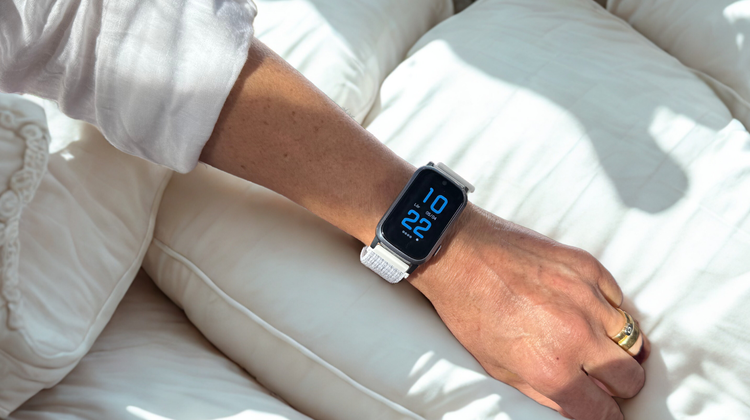
READ ABOUT HOW SENSOREM’S PERSONAL ALARM AUTOMATICALLY CAN DETECT A FALL
Sources:
- Socialstyrelsen (Sweden) – Heart failure statistics (2022).
- European Society of Cardiology – Heart Failure Statistics (2023).
- Hjärt-Lungfonden (Sweden) – Facts about heart failure.
- 1177 Vårdguiden – Heart failure.