
What is an assistive technology prescriber?
A prescriber assesses needs and recommends assistive equipment. The role carries responsibility for the right intervention and user safety.
A central role in health and social care
An assistive technology prescriber is a health or social care professional responsible for assessing individual needs and recommending or prescribing assistive devices.
The aim is to ensure the right person receives the right equipment – matched to their needs, abilities and safety requirements.
What does a prescriber do?
The prescriber is responsible for the full process around an assistive device.
This involves:
- conducting a needs assessment
- selecting appropriate equipment
- prescribing or recommending the device
- following up to ensure the equipment is effective
The goal is for the device to increase independence and safety in daily life.
Who can prescribe assistive equipment?
Prescribers are typically regulated health professionals, such as:
- occupational therapists
- physiotherapists
- nurses
- in some cases, other health professionals depending on the care setting
Who may prescribe assistive equipment is determined by the employing organisation, which assesses competence and designates prescribers accordingly (1).
What does the responsibility involve?
Being a prescriber means taking responsibility for:
- choosing the correct device
- accurately assessing the individual’s needs
- identifying risks
- following up on the outcome
The prescriber must ensure the person – and where relevant, their carers – understands how to use the device safely and correctly (1).
Prescribing as part of patient safety
Prescribing assistive equipment is part of the systematic approach to patient safety.
It means:
- preventing risks before they occur
- reducing the consequences of incidents
- creating safer conditions in daily life
Examples of assistive devices include:
- mobility aids
- cognitive support tools
- personal alarms and telecare devices
When is the prescriber role especially important?
The prescriber’s role is particularly critical when the individual:
- lives alone
- has reduced functional ability
- is at risk of falls or acute medical events
- has limited ability to raise an alert independently
In these situations, the right assistive device can be decisive for the person’s safety.
Who benefits most from a personal alarm?
It is also important to understand who benefits most from a personal alarm to make a correct assessment, and how the prescriber role relates to the work of a care manager in coordinating care.
How to access a prescriber
If you or a family member needs assistive equipment, contact with a prescriber typically happens through the NHS or adult social care.
Common routes include:
- contacting your GP
- contacting an occupational therapist or physiotherapist through your local council or NHS trust
- via a home care or social care referral
- through specialist services for specific needs
In many cases an assessment is carried out at home, where the prescriber evaluates needs, risks and appropriate equipment. The specific pathway may vary between areas.
Personal alarm as support alongside prescription
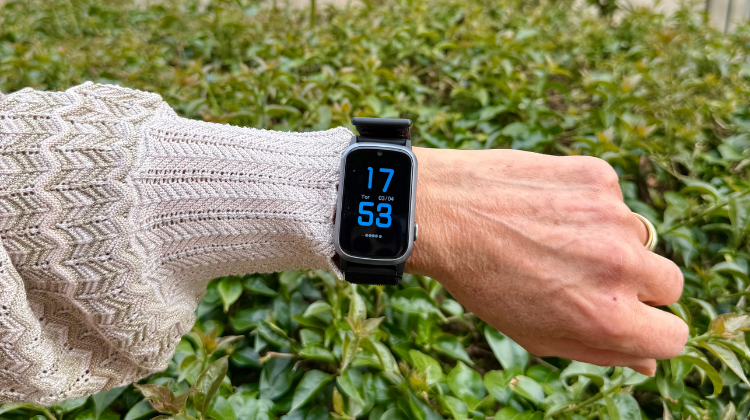
Sensorem’s personal alarm can be used alongside professionally prescribed equipment or as a privately arranged complement. It can be activated manually or automatically and connects to pre-defined contacts via two-way communication. The device works both indoors and outdoors and has built-in GPS positioning, making it possible to locate the user and ensure the right response is initiated in time.
SEE HOW A PERSONAL ALARM CAN SUPPORT ASSISTIVE TECHNOLOGY PRESCRIPTION
Sources
-
-
- [1] SCIE. Assessment of needs under the Care Act 2014. https://www.scie.org.uk/assessment-and-eligibility/assessment-of-needs-under-the-care-act-2014/
-