
How Is Multiple Sclerosis (MS) Treated?
MS is treated with disease-modifying therapies, relapse management and symptom control. Rehabilitation is essential to maintain function and quality of life.
What Is the Goal of Treatment?
Multiple sclerosis (MS) is a chronic condition with no cure. The main goals of treatment are to (1):
-
Reduce the number of relapses
-
Slow disease progression
-
Relieve symptoms
-
Preserve function and independence
Treatment is individualized based on disease type and activity level.
Disease-Modifying Therapies (DMTs)
In relapsing forms of MS, disease-modifying therapies are used to reduce inflammation and limit immune system attacks on the central nervous system (1).
Treatment approaches include:
-
Immunomodulatory medications
-
Immunosuppressive therapies
-
Monoclonal antibodies
These therapies can reduce relapse rates and delay disability progression (1,2).
Choice of therapy depends on disease activity, MRI findings and individual risk profile.
Treatment of Relapses
Acute relapses are often treated with high-dose corticosteroids for a few days (1).
Corticosteroids:
-
Reduce inflammation
-
May shorten the duration of a relapse
-
Do not affect long-term disease progression
Not all relapses require treatment, and decisions are made individually.
Symptom Management
Because MS causes a wide range of symptoms, targeted symptom treatment is often necessary.
Examples include:
-
Medication for spasticity
-
Pain management
-
Treatment for bladder dysfunction
-
Interventions for fatigue
Symptom control plays a key role in maintaining daily function and quality of life (1).
Rehabilitation in MS
Rehabilitation is a central part of MS care.
Interventions may include:
-
Physiotherapy to improve strength and balance
-
Occupational therapy to support daily activities
-
Speech therapy for speech or swallowing difficulties
-
Cognitive rehabilitation when needed
Regular physical activity has been shown to positively impact both function and well-being (2).
MS and Fall Prevention
Since more than 50% of people with MS fall at least once per year (3), fall prevention is an important component of treatment.
Preventive strategies may include:
-
Balance and strength training
-
Use of assistive devices when needed
-
Home environment modifications
-
Medication review
Early preventive measures reduce the risk of injury and help maintain independence (3).
Monitoring and Long-Term Care
People with MS require regular follow-up, including:
-
Neurological assessments
-
MRI monitoring
-
Evaluation of function and symptoms
Treatment plans may need adjustment over time depending on disease activity (1).
Safety alarm with automatic fall alarm can increase safety for people with an increased risk of falling
Sensorem’s personal alarm is an example of a technical aid specially developed for people who have an increased risk of falling. The personal alarm can automatically trigger the alarm in the event of a fall and then call relatives using the watch’s built-in speakerphone with two-way communication. The personal alarm works outdoors and has built-in GPS positioning so that relatives can see the user’s position on a map in the Sensorem app.
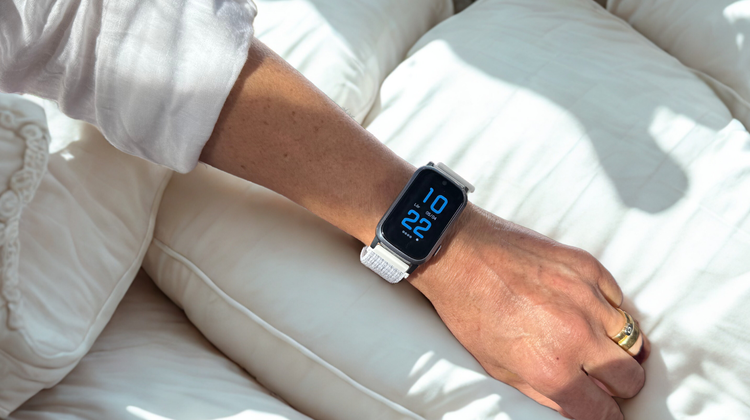
READ ABOUT HOW SENSOREM’S PERSONAL ALARM AUTOMATICALLY CAN DETECT A FALL
Sources:
- National Board of Health and Welfare (Socialstyrelsen). Multiple sclerosis – disease overview and treatment principles.
- National clinical guidelines for MS care.
- Gunn HJ et al. Frequency, characteristics, and consequences of falls in multiple sclerosis. Archives of Physical Medicine and Rehabilitation.