
Symptoms of Multiple Sclerosis (MS)
MS causes varying symptoms affecting vision, sensation, strength and balance. Symptoms differ between individuals and may come in relapses.
What Causes Symptoms in MS?
Multiple sclerosis (MS) is a chronic inflammatory disease of the central nervous system. When the immune system attacks myelin – the protective layer around nerve fibres – communication between the brain and the body is disrupted (1).
The type of symptoms a person experiences depends on where in the brain or spinal cord the damage occurs (1).
Early Symptoms of MS
Initial symptoms vary, but common early signs include (1,2):
- Vision problems in one eye (optic neuritis)
- Numbness or tingling in the arms or legs
- Weakness in part of the body
- Balance difficulties
- Severe fatigue
Symptoms may develop over days and sometimes improve partially or completely, particularly in relapsing-remitting MS (1).
Common Symptoms Over Time
Over time, additional symptoms may appear or become more persistent.
Motor Symptoms
- Muscle weakness
- Spasticity (muscle stiffness)
- Reduced walking ability
- Coordination difficulties
These symptoms often affect mobility and independence (1).
Sensory Symptoms
- Reduced sensation
- Tingling or burning sensations
- Pain
Sensory disturbances are common and may be temporary or long-lasting (1).
Vision and Balance Problems
- Blurred or double vision
- Dizziness
- Unsteady gait
Balance impairment is common and contributes to increased fall risk (3).
Fatigue
Up to 80% of people with MS experience fatigue – a profound and persistent exhaustion that is disproportionate to activity levels (1). Fatigue can significantly affect both physical and cognitive function.
MS Symptoms in the Legs
The legs are one of the most common places where MS makes itself known. Leg symptoms can be among the first signs of the disease, but also occur later in the course of the illness. Common complaints include (1,3):
- Numbness and tingling in the feet, lower legs or thighs
- Muscle weakness that causes loss of balance or stumbling
- Spasticity – muscle stiffness and involuntary jerking, particularly at night
- Coordination difficulties – trouble walking in a straight line or maintaining a steady pace
- Reduced sensation in the feet – affects perception of the ground and increases fall risk
Symptoms may vary throughout the day and often worsen with heat (Uhthoff’s phenomenon). For many, leg symptoms are more pronounced in the evening when fatigue sets in.
MS Symptoms and Fall Risk
Studies show that more than 50% of people with MS fall at least once per year (3). Symptoms particularly associated with fall risk include (3):
- Balance impairment
- Leg weakness
- Spasticity
- Reduced sensation in the feet
- Fatigue
The combination of multiple symptoms often results in a substantially higher fall risk compared with age-matched individuals without neurological disease (3).
How Do Symptoms Vary?
MS can follow different clinical courses (1):
- Relapsing-remitting MS – episodes of new or worsening symptoms followed by recovery
- Secondary progressive MS – gradual worsening after an initial relapsing phase
- Primary progressive MS – steady progression from disease onset
Symptoms are highly individual and may change over time.
When to Seek Medical Care
Medical evaluation is recommended if you experience:
- New or sudden vision loss
- Persistent numbness or weakness
- Sudden balance problems
- Unexplained neurological fatigue
Early assessment is important for accurate diagnosis and timely treatment (1).
Sensorem’s Personal Alarm – Always There When You Need It
Sensorem’s personal alarm is an example of a technical aid specifically developed for people with a heightened risk of falling. The alarm can automatically detect falls and call relatives using the watch’s built-in speakerphone with two-way communication. The alarm works outdoors and has built-in GPS positioning.
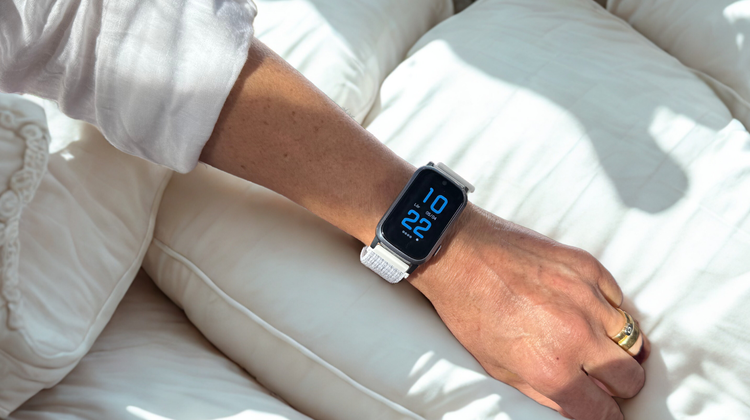
READ ABOUT HOW SENSOREM’S PERSONAL ALARM AUTOMATICALLY CAN DETECT A FALL
References
[1] National Board of Health and Welfare (Socialstyrelsen). Multiple sclerosis – disease overview. [2] National clinical guidelines for MS care. [3] Gunn HJ et al. Frequency, characteristics, and consequences of falls in multiple sclerosis. Archives of Physical Medicine and Rehabilitation.
Read more: What is multiple sclerosis? – How is MS treated? – Personal alarm