Symptoms of Cataract
Cataract causes gradually blurred vision, glare sensitivity, and poorer night vision, which can increase fall risk in older adults.
Early Symptoms
The first signs are often subtle [1]:
-
Slightly blurred or hazy vision
-
Colors appear less vivid
-
Increased need for brighter lighting
-
Difficulty reading small print
Many people notice they need new glasses more often, but vision does not fully improve [1].
Common Symptoms in Daily Life
As the clouding of the lens progresses, symptoms become more noticeable [1]:
-
Blurred or cloudy vision
-
Sensitivity to glare in sunlight
-
Difficulty driving at night
-
Reduced night vision
-
Poor contrast sensitivity
-
Double vision in one eye
Glare from oncoming headlights is a frequent and troubling complaint [1].
How Vision Is Affected
Cataract primarily affects [1]:
-
Visual sharpness
-
Contrast sensitivity
-
Light sensitivity
-
Ability to detect fine details
Reduced contrast vision makes it harder to see steps, edges, and obstacles.
Symptoms and Aging
Cataract is strongly linked to aging and becomes increasingly common after age 65 [1]. Changes in the lens are a natural part of the biological aging process.
Vision changes often occur alongside other age-related factors such as reduced balance and muscle strength.
Link Between Symptoms and Fall Risk
When vision declines, balance and spatial awareness are affected. The following symptoms particularly increase fall risk:
-
Poor night vision
-
Glare sensitivity
-
Reduced contrast vision
Visual impairment is a well-established risk factor for falls in older adults [2]. Moderate to severe vision loss can double the risk of falling [2].
Falls are one of the leading causes of injury and hospitalization among older adults [2]. Recognizing vision changes early is therefore an important part of fall prevention.
When to Seek Medical Care
You should seek medical advice if:
-
Vision gradually worsens
-
You experience increased glare
-
Night vision becomes more difficult
-
You feel unsteady on stairs
An eye examination can determine whether symptoms are due to cataract or another eye condition.
More information is available via 1177 Vårdguiden [1].
Safety alarm with automatic fall alarm can increase safety for people with an increased risk of falling
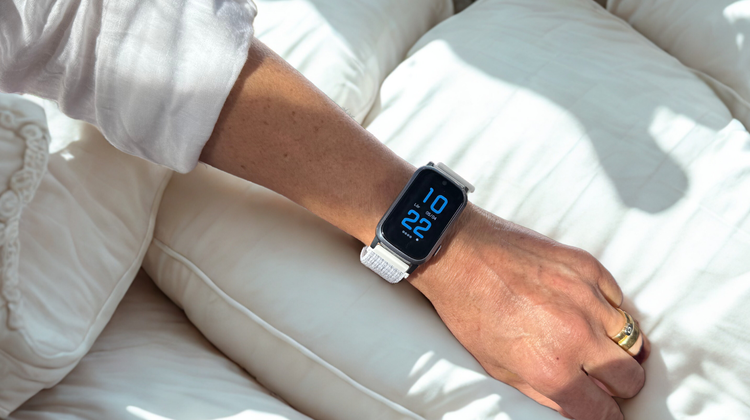
Sensorem’s personal alarm is an example of a technical aid specially developed for people who have an increased risk of falling. The personal alarm can automatically trigger the alarm in the event of a fall and then call relatives using the watch’s built-in speakerphone with two-way communication. The personal alarm works outdoors and has built-in GPS positioning so that relatives can see the user’s position on a map in the Sensorem app.
READ ABOUT HOW SENSOREM’S PERSONAL ALARM AUTOMATICALLY CAN DETECT A FALL
Sources:
- 1177 Vårdguiden – Cataract (Grå starr).
- Public health data on falls among older adults.