
What Is Orthostatic Hypotension?
Orthostatic hypotension – also known as a drop in blood pressure upon standing – is a condition where blood pressure falls significantly when you rise from a sitting or lying position. It can cause dizziness, unsteadiness and sometimes fainting, especially in older adults.
What Happens in the Body?
When we stand up, gravity causes blood to pool temporarily in the legs. Normally, the body quickly compensates by:
- Constricting blood vessels
- Increasing heart rate
- Stabilising blood pressure
In orthostatic hypotension, this regulatory response is impaired. As a result, the brain temporarily receives too little blood, leading to symptoms.
Medically, the condition is defined as a drop in blood pressure of at least 20 mmHg systolic or 10 mmHg diastolic within three minutes of standing [1].
Dizziness When Standing Up – What Causes It?
The most common cause of dizziness when standing up is orthostatic hypotension. The sensation of spinning, darkening vision or nearly losing balance occurs because the brain briefly receives too little oxygen-rich blood.
The dizziness is usually short-lived – seconds to a minute – and often resolves if you remain standing or sit back down. But even a brief dizzy spell can be enough to cause a fall, particularly among older adults [2].
Symptoms
- Dizziness – the most common symptom, occurring immediately upon standing
- Blurred or darkened vision – sight may temporarily become unclear or dark
- Unsteadiness and balance problems – difficulty maintaining balance in the first seconds
- Weakness – the body feels heavy or unstable
- Fainting – in more serious cases, consciousness may be briefly lost
- Nausea – sometimes occurs alongside the dizziness
- Difficulty concentrating – the brain functions less well during brief oxygen deprivation
Symptoms typically last seconds to minutes, but even brief dizziness can lead to a fall [2].
How Common Is It?
Orthostatic hypotension affects:
- About 5% of middle-aged adults
- Up to 20% of people over 70
- A high proportion of residents in care homes
It is particularly common in people with Parkinson’s disease, diabetes with neuropathy, heart failure and previous stroke [3].
Common Causes
Ageing
Blood vessels become less elastic and the autonomic nervous system responds more slowly with age. This means the body takes longer to compensate for blood pressure changes when standing up.
Medications
Several common medications can trigger or worsen orthostatic hypotension:
- Blood pressure-lowering drugs (beta blockers, ACE inhibitors, diuretics)
- Antidepressants
- Parkinson’s medications
- Certain prostate medications
Dehydration
Too little fluid in the body reduces blood volume, making blood pressure regulation more difficult. Common in heat, vomiting, diarrhoea or insufficient fluid intake.
Neurological Conditions
Diseases affecting the autonomic nervous system – such as Parkinson’s disease and diabetes – can impair the body’s ability to regulate blood pressure [3].
Prolonged Bed Rest
After a period of bed rest – for example following illness or surgery – the blood vessels are unaccustomed to adapting quickly.
Orthostatic Hypotension and Fall Risk
Orthostatic hypotension is one of the most common underlying causes of sudden falls in older adults. Risk is particularly high:
- When standing up quickly
- Getting up during the night
- When multiple medications are combined
- When balance is already impaired
Research shows the condition is associated with recurrent falls and hip fractures [2].
Treatment and Prevention
Treatment depends on the underlying cause and may include:
- Adjusting medications – if a medication is suspected of triggering symptoms
- Stand up slowly – sit for a moment before standing
- Foot pumping – activate the calf muscles before standing to help blood circulate
- Increase fluid intake – drink enough, especially in warm weather
- Compression stockings – reduce blood pooling in the legs
- Raise the head of the bed – 10–20 degrees can reduce night-time symptoms
- Balance and strength training – improves the ability to maintain balance during symptoms
- Medication – in some cases, drugs may be needed to stabilise blood pressure
When to Seek Medical Care
Contact your GP if you experience:
- Recurring dizziness when standing up
- Unexplained falls
- Fainting or near-fainting
Blood pressure should be measured both lying down and standing to confirm the diagnosis.
Sensorem’s Personal Alarm – Always There When You Need It
Sensorem’s personal alarm is a technical aid specially developed for people with a heightened risk of falling. The alarm can automatically detect falls and call relatives using the watch’s built-in speakerphone with two-way communication. The alarm works outdoors and has built-in GPS positioning.
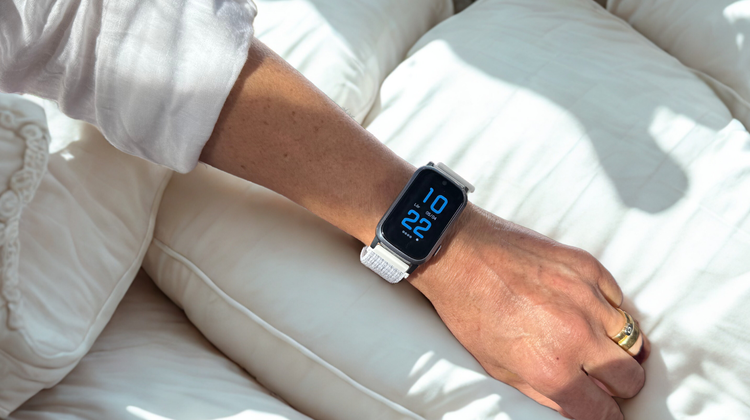
READ ABOUT HOW SENSOREM’S PERSONAL ALARM AUTOMATICALLY CAN DETECT A FALL
References
- [1] National guidelines on blood pressure regulation and syncope.
- [2] Public health data on falls among older adults.
- [3] Medicines regulatory authority – medications and orthostatic hypotension.
Read more: What is diabetes? – Personal alarm – Automatic fall alarm