
What Is Cataract?
Cataract is an age-related clouding of the eye’s lens that causes blurred vision and increases fall risk. Vision gradually declines as part of aging [3].
What Happens in the Eye?
The eye’s natural lens sits behind the pupil and helps focus light onto the retina. With age, proteins in the lens change, making it less transparent and causing light to scatter [3].
This results in blurred or hazy vision. Many people describe it as looking through a foggy window.
How Common Is Cataract?
Cataract is very common in older adults. The majority of people over age 75 have some degree of lens clouding [3].
In Sweden, more than 100,000 cataract surgeries are performed annually, making it one of the most common surgical procedures in the country [1].
Prevalence increases significantly with age and is considered a natural part of biological aging.
Common Symptoms
Symptoms usually develop gradually [3]:
-
Blurred or cloudy vision
-
Increased sensitivity to glare
-
Poor night vision
-
Reduced contrast sensitivity
-
Need for brighter lighting
Many people first notice problems while driving at night or in bright sunlight.
Connection to Aging
Aging is the primary risk factor for cataract development [3]. Over time, structural changes occur in the lens, leading to clouding.
Other contributing factors include:
-
Smoking
-
UV exposure
-
Long-term corticosteroid use [3]
However, advanced age remains the dominant cause.
Cataract and Fall Risk
Vision plays a crucial role in balance and spatial awareness. When contrast sensitivity and night vision decline, the risk of:
-
Missing steps
-
Tripping over obstacles
-
Misjudging depth or uneven surfaces
increases significantly.
Visual impairment is a well-established risk factor for falls in older adults [2]. Studies show that moderate to severe vision loss can double the risk of falling [2].
Falls are one of the leading causes of injury and hospitalization among older adults [2]. Therefore, maintaining good vision is an important part of fall prevention.
Treatment
The only effective treatment for cataract is surgery. During cataract surgery, the cloudy lens is removed and replaced with a clear artificial lens [3].
The procedure:
-
Is one of the most common surgeries performed in Sweden [1]
-
Is usually done under local anesthesia
-
Has a very high safety profile
-
Often results in significant visual improvement [3]
Research shows that cataract surgery, particularly on the first eye, can reduce fall risk [2].
When to Seek Medical Care
If vision gradually worsens or daily activities become affected, an eye examination is recommended [3].
It is especially important to seek evaluation if you have recently fallen or feel unsteady on stairs.
More information is available via 1177 Vårdguiden [3].
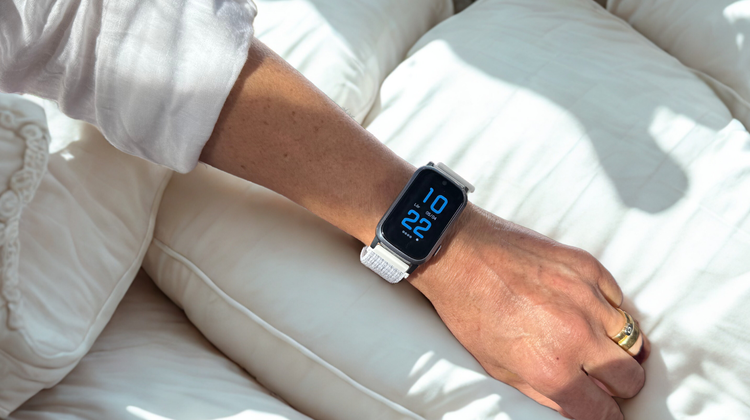
Safety alarm with automatic fall alarm can increase safety for people with an increased risk of falling
Sensorem’s personal alarm is an example of a technical aid specially developed for people who have an increased risk of falling. The personal alarm can automatically trigger the alarm in the event of a fall and then call relatives using the watch’s built-in speakerphone with two-way communication. The personal alarm works outdoors and has built-in GPS positioning so that relatives can see the user’s position on a map in the Sensorem app.
READ ABOUT HOW SENSOREM’S PERSONAL ALARM AUTOMATICALLY CAN DETECT A FALL
Sources:
- Swedish National Board of Health and Welfare – Statistics and national guidelines for cataract surgery.
- Public health data on falls among older adults.
- 1177 Vårdguiden – Cataract (Grå starr).