
What is a Dementia Assessment? A Guide to the Process
A dementia assessment is carried out when a person shows signs of memory loss or behavioural changes that affect daily life. It is essential for determining whether dementia is the cause – and for providing the right support and treatment.
If a person shows signs of memory loss, changes in behaviour or other cognitive difficulties affecting daily life, it is wise to see a doctor for an initial evaluation. Read also about memory assessment and early signs of dementia.
When should a dementia assessment be done?
A dementia assessment is recommended when a person experiences persistent memory problems, disorientation, difficulty carrying out everyday tasks or noticeable personality changes. The earlier the assessment, the better the chances of implementing the right measures.
What does a dementia assessment involve?
- Medical review – The doctor reviews the patient’s medical history and any medications. Input from family members can be valuable.
- Physical examination – Carried out to rule out other medical causes of the symptoms.
- Cognitive tests – Tests measuring memory, language ability and problem-solving. A common test is the MMSE (Mini Mental State Examination).
- Blood tests and brain imaging – Blood tests are taken to rule out other conditions; CT or MRI scanning may also be performed.
What happens after the assessment?
The patient and family receive a diagnosis and an individual care plan, which may include medication, care support and counselling. Read more about Alzheimer’s disease and different types of dementia.
Why is a dementia assessment important?
Early and accurate diagnosis is essential for providing the right treatment and support. With the right information and interventions, it becomes easier to manage the challenges the condition brings.
Read more: What is dementia? – Memory assessment – Early signs of dementia – Dementia tracker
Sensorem’s safety alarm has GPS positioning, medication reminders and automatic fall alarm
Sensorem’s personal alarm is an example of a technical aid specially developed for people with dementia. The personal alarm works outdoors and has built-in GPS positioning so that relatives can see the user’s position on a map in the Sensorem app. Relatives are automatically called by the personal alarm (two-way communication) if the user leaves a predetermined geographical area. The personal alarm also has medication reminders and can alert automatically in the event of a fall with the built-in fall sensor.
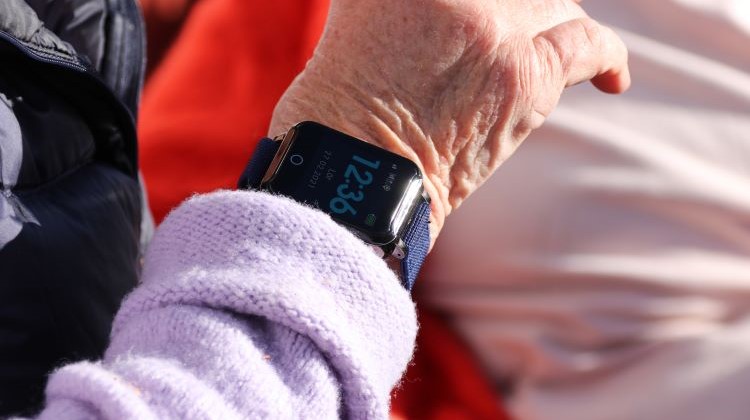
READ ABOUT HOW SENSOREMS PERSONAL ALARM CAN HELP WITH DEMENTIA
References
- [1] NHS. Diagnosing dementia. https://www.nhs.uk
- [2] Alzheimer’s Society. Getting a dementia diagnosis. https://www.alzheimers.org.uk
- [3] Alzheimer’s Association. Diagnosing Alzheimer’s. https://www.alz.org