Sudden dizziness in older adults is common and can have several causes – from orthostatic hypotension and medication side effects to vestibular disorders and heart conditions. Identifying the cause is key to responding correctly and reducing the risk of falls.
Common Causes of Sudden Dizziness in the Elderly
Dizziness can occur for many different reasons, but among older adults certain causes are more frequent:
1. Orthostatic hypotension (low blood pressure on standing) The most common cause of sudden dizziness in seniors is orthostatic hypotension – a drop in blood pressure when rising from a sitting or lying position. Blood pools in the legs, temporarily reducing oxygen supply to the brain, causing dizziness, blurred vision or a feeling of faintness.
2. Medication side effects Many older adults take multiple medications, and some can cause dizziness as a side effect – particularly blood pressure drugs, diuretics, sedatives and antidepressants. Combinations of drugs increase the risk further.
3. Vestibular disorders Inner ear balance problems – such as benign paroxysmal positional vertigo (BPPV), labyrinthitis or vestibular neuritis – can produce sudden, intense rotational dizziness.
4. Medical conditions Cardiovascular disease, diabetes and neurological conditions can affect blood flow to the brain. A TIA (transient ischaemic attack, or “mini-stroke”) can cause dizziness as its first and only symptom and requires immediate medical attention.
5. Dehydration Older adults often drink too little fluid, reducing blood volume and potentially causing dizziness.
What to Do When Sudden Dizziness Occurs
- Sit or lie down – reduce the risk of falling immediately
- Lie with feet elevated if dizziness is caused by low blood pressure
- Breathe calmly and drink water – stress and dehydration worsen dizziness
- Move slowly – avoid sudden head movements
When to Seek Medical Help
Contact a doctor immediately if dizziness is accompanied by:
- Severe headache, chest pain, visual disturbances or numbness
- Dizziness lasting more than a few minutes or recurring frequently
- A fall caused by dizziness – even without visible injury
Call 999 (UK) or 112 (Ireland) if you suspect a stroke.
Preventive Measures
- Stand up slowly – sit for a moment before rising
- Stay hydrated – aim for at least 1.5 litres of fluid per day
- Review medications with your doctor or pharmacist
- Balance and strength training – improves the ability to stay stable during dizzy spells
A Personal Alarm with Automatic Fall Detection Can Increase Safety for People with a Higher Risk of Falling
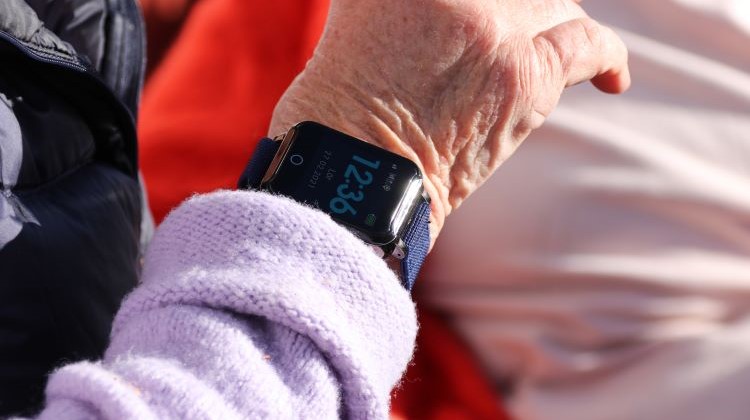
Sensorem’s personal alarm is an example of a technical aid specially developed for people with a higher risk of falling. The alarm can automatically detect falls and call relatives using the watch’s built-in speakerphone with two-way communication. The alarm works outdoors and has built-in GPS positioning so that relatives can see the user’s location on a map in the Sensorem app.