
Who benefits most from a personal alarm?
Personal alarms are most effective for people with increased fall risk, social isolation or a reduced ability to call for help. Correct identification is key to impact.
Starting point: risk and ability to get help
A personal alarm is an assistive device that reduces the time to help when something goes wrong.
For care professionals, the task is to identify people where:
- the risk of an incident is elevated
- the ability to self-alert is limited
It is this combination that makes a personal alarm most beneficial. Nearly two million people use personal alarms in the UK, with falls risk being one of the most common reasons older adults are referred to telecare services (1).
People with increased fall risk
One of the most common indications is an elevated risk of falling.
This applies particularly to people who:
- have impaired balance or mobility
- have had previous falls
- use walking aids
- have reduced muscle strength
Falls are the leading cause of injury-related deaths in older people in England. A personal alarm can significantly reduce the time between a fall and the arrival of help.
People living alone
People who live alone are especially vulnerable when something goes wrong.
This is particularly true when:
- there is no daily supervision
- the social network is limited
- the response time from family or neighbours is long
In these situations, a personal alarm can be the deciding factor in whether help arrives in time.
Reduced ability to raise an alert
A central factor is the person’s ability to act in an emergency.
This may involve:
- cognitive impairment
- medical conditions
- reduced mobility
- confusion or disorientation during an incident
Community alarms are designed to support people of any age who may feel vulnerable in their home, including those at risk of falling, those who have recently left hospital, or those with a physical, sensory or learning disability (1).
In these cases, automatic detection features may be especially relevant.
People at risk of acute medical events
A personal alarm may also be appropriate for people with conditions that can cause sudden emergencies.
Examples include:
- cardiovascular disease
- neurological conditions
- diabetes with a risk of acute episodes
- epilepsy
In these cases, the value lies in being able to quickly reach a monitoring centre or a named contact.
Previous incidents
A history of incidents is a strong indicator.
This may include:
- previous falls
- near-misses at home
- situations where the person was unable to get help in time
A past incident significantly increases the probability of recurrence and is a key factor in any needs assessment.
Long response time to help
An often underestimated factor is the time it takes for help to arrive.
A personal alarm is particularly relevant when:
- the person spends significant time alone during the day
- family members live far away
- formal care visits are infrequent
The key question is not only the likelihood of an incident – but how quickly help can realistically reach the person.
When a personal alarm has limited value
It is equally important to identify situations where a personal alarm is unlikely to be effective.
This may apply when:
- the person is unable to wear or operate the device
- the need is for continuous supervision rather than on-demand alerting
- other interventions are more appropriate
Declining to recommend a device in these cases is part of a correct and responsible assessment.
Personal alarm as part of a holistic plan
A personal alarm should not be seen as a standalone measure.
It works best alongside:
- home care visits
- regular check-ins
- other assistive technology
- family or carer support
A care manager can arrange a personal alarm as part of a funded care package and help coordinate a holistic plan around the individual’s needs.
The goal is to create a solution that works in practice.
Sensorem’s personal alarm in practice
Sensorem’s personal alarm enables fast alarm handling and can be activated manually or automatically with two-way communication to pre-defined contacts. The device works both indoors and outdoors and has built-in GPS positioning, making it possible to locate the user and ensure the right response is initiated in time.
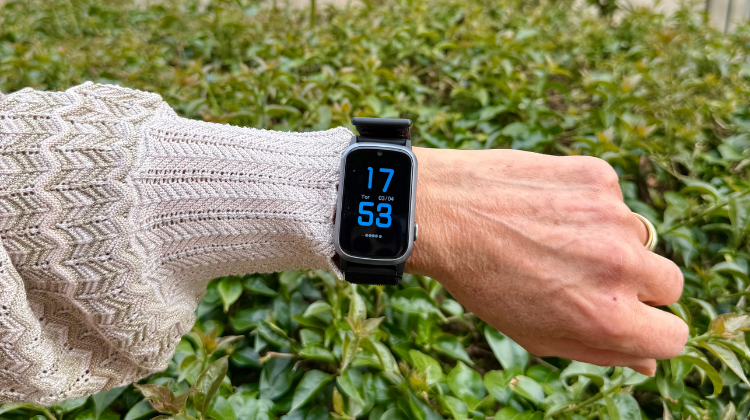
SEE HOW SENSOREM’S PERSONAL ALARM WORKS IN PRACTICE
Sources
-
-
- [1] GOV.UK. Find a telecare provider. https://www.gov.uk/guidance/find-a-telecare-provider
-