
Workplace incidents – what do they really cost?
Workplace accidents and incidents lead to significant costs – often far greater than expected. Sickness absence, lost production and staff turnover all affect the bottom line. In the UK, the total runs to billions of pounds every year.
When an incident becomes a business risk
A workplace incident can have far-reaching consequences – both for the individual and for the organisation.
Beyond the immediate situation, costs often arise that affect the organisation for a long time. For employers, it is not simply a matter of managing incidents, but of understanding the full impact.
What counts as an incident?
- falls and slips
- threats and violence
- work-related injuries
- medical emergencies
- situations where help is not reached in time
Direct costs
- sick pay and sickness absence
- rehabilitation
- cover staff and agency workers
- lost production
In the UK, over 560,000 non-fatal workplace injuries were reported by workers in 2023/24, according to HSE statistics. The economic burden of work-related ill health and injury runs to tens of billions of pounds [1].
Indirect costs
- reduced productivity
- increased staff turnover
- stress within the team
- loss of expertise
- reputational damage
Indirect costs can be 2–5 times higher than direct costs [2].
Costs in the UK
Work-related accidents and ill health carry very large costs:
- The HSE estimates that the total cost of work-related injury and new cases of ill health is around £21.6 billion per year in Great Britain (2022/23 data) [1]
- A single long-term absence can cost an employer hundreds of thousands of pounds depending on the role, length of absence and cover requirements
- The knock-on effects for colleagues and output are frequently underestimated
When incidents affect the organisation
- disruption to operations
- reduced quality of work
- increased pressure on colleagues
- risk of legal consequences
Preventive measures
- risk assessment for lone workers
- clear procedures
- training
- technical solutions for rapid alarm handling
When fast response reduces costs
Quick help can:
- limit the extent of harm
- shorten periods of absence
- reduce knock-on costs
Personal alarm with man-down alert increases workplace safety
Sensorem’s personal alarm is designed specifically to increase safety in the workplace. The alarm has an automatic man-down alert that calls alarm recipients via the watch’s built-in speakerphone with two-way communication. The alarm works outdoors and has built-in GPS positioning.
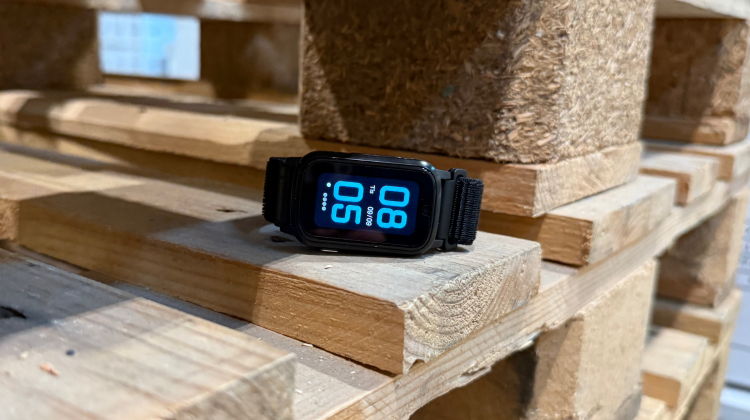
READ ABOUT SENSOREM’S PERSONAL ALARM FOR LONE WORKERS
More about staff safety and lone working in the UK
Want to know more? Read more in our guides: Safety for home care workers – Lone working regulations – Risk assessment for lone workers – Safety at the workplace for HR managers – Safety checklist for the workplace
References
- [1] HSE. Work-related injury and ill health statistics 2023/24. https://www.hse.gov.uk/statistics/
- [2] EU-OSHA. Costs and benefits of occupational safety and health. https://osha.europa.eu/en/themes/costs-and-benefits-occupational-safety-and-health