
Recognizing the early signs of dementia
Dementia is a condition that affects memory, thinking and decision-making. It is often progressive and develops slowly. Recognising the first signs of dementia early is crucial for getting the right diagnosis and support.
Dementia is a condition that affects cognitive abilities such as memory, thinking and decision-making. It is often progressive and develops slowly, which can make it difficult to detect early. Here are some common early warning signs to look out for. Read also about 5 early signs of dementia and different types of dementia.
1. Memory loss that affects daily life
One of the earliest and most recognisable signs of dementia is memory loss that disrupts daily life. This is not about forgetting where you left your keys – but forgetting important events or repeatedly asking the same questions.
2. Difficulty with planning and problem-solving
People developing dementia may struggle to follow plans or solve simple problems, such as forgetting how to follow a familiar recipe or losing the ability to manage bills.
3. Disorientation in time and place
Early signs of dementia can include an inability to keep track of time or place. The person may get lost in familiar areas or struggle to understand what day it is or how they got somewhere.
4. Changes in mood and personality
Dementia can affect mood and personality. Someone who was previously outgoing and social may become withdrawn or apathetic. Anxiety, depression or unusually aggressive behaviour can also be early signs.
5. Difficulty performing familiar tasks
A person with early signs of dementia may start having trouble with everyday tasks that were previously simple, such as using household appliances or remembering how to dress or wash.
6. Impaired judgement
People developing dementia may show impaired judgement or make poor decisions, for example giving away large sums of money to strangers or neglecting personal hygiene.
Read more: What is dementia? – 5 early signs of dementia – Different types of dementia – Dementia tracker
Sensorem’s safety alarm has GPS positioning, medication reminders and automatic fall alarm
Sensorem’s personal alarm is an example of a technical aid specially developed for people with dementia. The personal alarm works outdoors and has built-in GPS positioning so that relatives can see the user’s position on a map in the Sensorem app. Relatives are automatically called by the personal alarm (two-way communication) if the user leaves a predetermined geographical area. The personal alarm also has medication reminders and can alert automatically in the event of a fall with the built-in fall sensor.
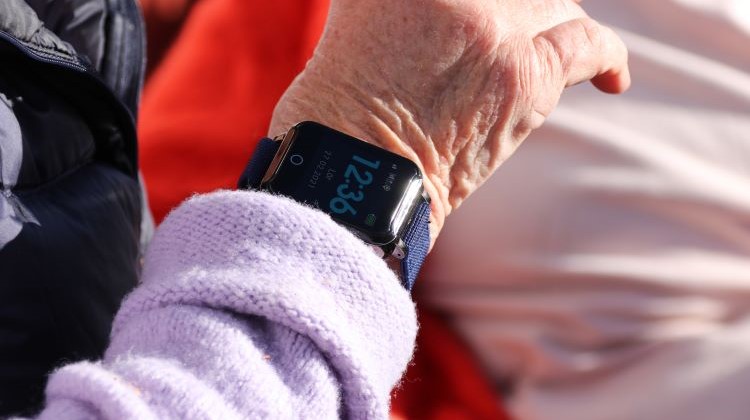
READ ABOUT HOW SENSOREMS PERSONAL ALARM CAN HELP WITH DEMENTIA
References
- [1] Alzheimer’s Society. First signs of dementia. https://www.alzheimers.org.uk
- [2] NHS. Dementia – symptoms. https://www.nhs.uk
- [3] Alzheimer’s Association. 10 Early Signs of Alzheimer’s and Dementia. https://www.alz.org