
Types of dizziness in older adults – what do the symptoms mean?
Dizziness in older adults can have multiple causes and present as spinning, unsteadiness, or near-fainting. All types may increase the risk of falls [1].
What causes dizziness in older adults?
Dizziness is a common symptom in older adults and often has several contributing causes. Rather than a single condition, it is frequently the result of changes in the balance system, vision, muscles, and circulation. With age, the body’s ability to quickly adjust balance declines, meaning even small disturbances can lead to noticeable symptoms. Understanding the type of dizziness can help identify risks and determine when medical evaluation is needed.
Spinning dizziness (vertigo)
Spinning dizziness feels like the room is moving or that you are rotating. It is often linked to the balance organs in the inner ear and can be intense and unsettling. Common causes include benign paroxysmal positional vertigo (BPPV) and other inner ear disorders. Symptoms often appear suddenly and may be triggered by head movements, such as lying down, turning in bed, or bending forward. Because symptoms can come on quickly, there is a clear risk of losing balance, especially during movement.
Unsteadiness and balance problems
This type of dizziness is often described as feeling unsteady or “off balance,” rather than spinning. Many people feel as if they are swaying or have difficulty walking in a straight line. Unsteadiness is often caused by a combination of factors, such as reduced vision, muscle weakness, or nerve impairment. It tends to develop gradually, which can make it harder to notice at first. Even though the sensation may feel milder, the fall risk is significant because balance is continuously affected.
Near-fainting (presyncope)
Near-fainting dizziness feels like you are about to lose consciousness. It may involve dimmed vision, weakness, or a sudden drop in energy. This type is often caused by reduced blood flow to the brain, for example due to low blood pressure or when standing up quickly. It may also be related to heart conditions. Because symptoms can occur suddenly and without warning, the risk of unexpected falls is high.
Medication-related dizziness
Many older adults take multiple medications, and some of these can affect balance or blood pressure. Medication-related dizziness can be constant or occur intermittently. Common contributors include sleeping pills, sedatives, and blood pressure medications. The effects may be stronger when several medications are combined. This makes it difficult to identify a single cause, and the risk of falls may increase, especially when medications are adjusted.
Why does dizziness increase fall risk?
Regardless of the type, dizziness affects the body’s ability to maintain balance. It impairs reaction time, coordination, and spatial awareness. This can lead to tripping, misjudging distances, or being unable to recover from a loss of balance. Many falls occur during everyday activities, such as getting out of bed or moving around the home. Research shows that dizziness is a significant risk factor for falls in older adults [2].
When is dizziness serious?
Dizziness is common, but in some cases it may indicate a more serious condition.
Seek medical attention if dizziness:
- Occurs suddenly and severely
- Leads to falls
- Is associated with fainting
- Worsens over time
Paying attention to changes in symptoms is especially important in older adults, where multiple risk factors often coexist.
Safety alarm with automatic fall alarm can increase safety for people with an increased risk of falling
Sensorem’s personal alarm is an example of a technical aid specially developed for people who have an increased risk of falling. The personal alarm can automatically trigger the alarm in the event of a fall and then call relatives using the watch’s built-in speakerphone with two-way communication. The personal alarm works outdoors and has built-in GPS positioning so that relatives can see the user’s position on a map in the Sensorem app.
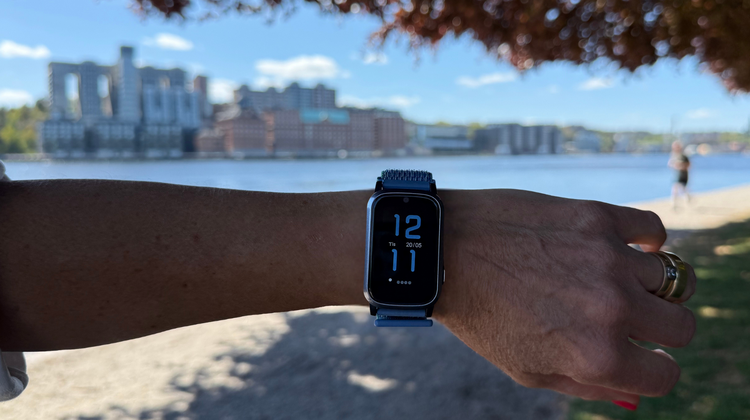
READ ABOUT HOW SENSOREM’S PERSONAL ALARM AUTOMATICALLY CAN DETECT A FALL
Sources:
- 1177 Vårdguiden – Dizziness in older adults.
- Public health data on falls among older adults.