Falls are the leading cause of injury-related deaths in people over 75 in the UK, and the most common reason an ambulance is called to an older person. Each year, around one in three people aged 65 and over experience a fall.
Fall accidents among the elderly are a growing public health problem
Falls among older adults are a significant and growing public health challenge in the UK. According to NICE (National Institute for Health and Care Excellence) and NHS data, falls are the most common cause of injury-related deaths in people over the age of 75, and they are the most frequently reported incident affecting hospital inpatients [1]. The consequences range from bruising and minor injuries to fractures, loss of independence, and in serious cases, death.
Falls are estimated to cost the NHS more than £2.3 billion per year, with hip fractures alone accounting for around £2 billion of total annual UK fragility fracture costs of £4.4 billion [1].
UK statistics on falls in older adults
Key figures from NICE, the NHS, and the National Hip Fracture Database:
- 1 in 3 people aged 65 and over fall at least once a year [1]
- 1 in 2 people aged 80 and over fall at least once a year [1]
- In 2022/23, there were around 210,000 emergency hospital admissions in England related to falls in people aged 65 and over [1]
- Around 146,700 of those admissions were people aged 80 and over [1]
- Around 76,000 hip fractures occur each year across the UK [2]
- Between 18% and 33% of people die within one year of a hip fracture [1]
- Over 5,000 older people died in 2017 due to falls – a 70% increase from 2010 [3]
The risk of falling increases with age
The risk of falling increases significantly with age. Adults over 80 are at the highest risk, and women are more likely than men to suffer a fall resulting in a fracture, partly due to osteoporosis.
Common causes of falls
Falls rarely have a single cause. Common risk factors include:
- Reduced balance and muscle weakness – particularly in the legs
- Vision problems – making it harder to spot hazards
- Medication – blood pressure, sleeping tablets and certain heart medications can cause dizziness
- Chronic conditions – such as Parkinson’s, heart failure, diabetes and dementia
- Home hazards – loose rugs, slippery floors, poor lighting
- Winter conditions – icy pavements are a significant outdoor risk factor [1]
Consequences of a fall
A fall can have serious and lasting consequences:
- Physical injuries: fractures, head injuries, cuts and bruises
- Loss of independence: reduced ability to manage daily life
- Fear of falling: many older people restrict activity after a fall, which increases the risk of further falls
- Increased care needs: hip fracture is one of the most common reasons for long-term care admission
Prevention
Many falls are preventable. NICE guidelines recommend [1]:
- Balance and strength exercises – regular physical activity significantly reduces fall risk
- Medication review – avoiding combinations that increase dizziness or unsteadiness
- Vision and hearing checks – regular assessments and appropriate aids
- Home safety assessment – removing trip hazards, fitting grab rails, improving lighting
- Appropriate footwear – non-slip soles both indoors and outdoors
A safety alarm with automatic fall detection can increase security for people at higher risk of falling
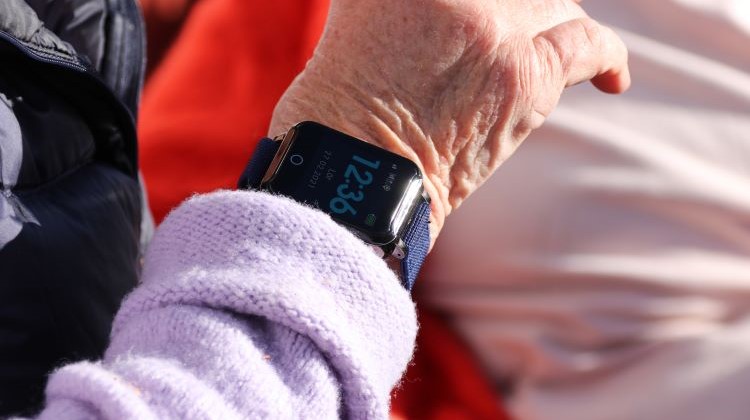
Sensorem’s personal alarm is a technical aid specially developed for people at increased risk of falling. The alarm can automatically detect a fall and call relatives using the watch’s built-in speakerphone with two-way communication. The alarm works outdoors and has built-in GPS positioning so that relatives can see the user’s location on a map in the Sensorem app.