High blood sugar (hyperglycemia) is common in diabetes and can lead to symptoms such as fatigue, thirst, and blurred vision. Chronically elevated blood sugar affects nerves, muscles, and balance – increasing the risk of falls, especially in older adults.
What Is High Blood Sugar in Diabetes?
High blood sugar, or hyperglycemia, occurs when the body cannot use or produce enough insulin to keep glucose levels within a normal range. This is a key feature of diabetes, both type 1 and type 2.
Temporary spikes in blood sugar can be triggered by stress, infection, or poor diet, but when levels stay high for extended periods, the risk of complications increases – including nerve damage, muscle weakness, and vision problems.
Symptoms of High Blood Sugar
Symptoms of high blood sugar can vary depending on how elevated levels are and how long they persist. They can develop gradually and be mistaken for stress or fatigue, particularly in older adults:
- Excessive thirst and frequent urination
- Unusual fatigue or lack of energy
- Blurred or distorted vision
- Headache and difficulty concentrating
- Dry or itchy skin
- Nausea or stomach discomfort
- Tingling or numbness in hands and feet
- Dizziness, especially when standing up quickly
Regular blood sugar monitoring is essential for people living with diabetes to detect changes in time.
Skin Symptoms of High Blood Sugar
High blood sugar can also cause skin symptoms that are easily overlooked:
- Dryness and itching – elevated blood sugar dries out the skin and can cause troublesome itching, particularly in the legs and lower legs
- Slow-healing wounds – high blood sugar impairs circulation and the body’s ability to repair tissue damage
- Dark skin folds (acanthosis nigricans) – particularly around the neck, armpits or groin, a sign of insulin resistance
- Foot problems – due to nerve damage, small wounds or infections in the feet can go unnoticed
Regular foot checks are important because nerve damage can prevent pain sensation.
When Is Blood Sugar Dangerously High?
Normal fasting blood sugar is below 6 mmol/l. Blood sugar is considered elevated when it repeatedly reaches 7 mmol/l or more.
Dangerously high blood sugar – hyperglycemia above 15 mmol/l – can cause:
- Severe thirst and frequent urination
- Nausea and vomiting
- Stomach pain
- Confusion or reduced consciousness
- Acetone smell on the breath (a sign of diabetic ketoacidosis)
If you suspect ketoacidosis – call 999 (UK) or 112 (Ireland) immediately. It is a life-threatening condition requiring urgent hospital treatment.
How High Blood Sugar in Diabetes Increases Fall Risk
Research shows that people with diabetes face a higher risk of falls compared to those without diabetes. There are several underlying reasons:
- Nerve Damage (Neuropathy) – Long-term high blood sugar can damage nerves, especially in the feet and legs. This leads to reduced sensation, numbness, or tingling – making it harder to feel the ground and maintain balance.
- Muscle Weakness and Fatigue – When cells don’t receive enough energy due to insulin resistance or lack of insulin, muscle strength declines. This makes it harder to stand up, walk steadily, or react quickly to loss of balance.
- Vision Changes – Elevated blood sugar can affect fluid levels in the eyes, causing blurred vision. People with diabetes are also at greater risk for eye conditions that further increase the likelihood of falls.
- Low Blood Pressure and Dehydration – Hyperglycemia causes increased urination and fluid loss, which can lead to dehydration and low blood pressure – both of which can cause dizziness and balance problems.
- Frequent Nighttime Urination – The need to get up frequently during the night raises the risk of falls, especially in dark environments or when standing up quickly from bed.
Preventive Measures for People with Diabetes
To reduce the risk of both high blood sugar and falls, the following strategies can be helpful:
| Measure |
Description |
| Regular blood sugar monitoring |
Follow your healthcare provider’s advice and check glucose levels consistently |
| Balanced nutrition |
Eat regular meals with slow carbohydrates, fibre, and steady portion sizes to avoid spikes |
| Physical activity |
Exercise improves insulin sensitivity, strengthens muscles, and enhances balance |
| Hydration |
Drink enough water throughout the day to prevent dehydration and blood pressure drops |
| Foot care |
Check your feet regularly – nerve damage can make injuries go unnoticed |
| Eye exams |
Regular vision checks help detect changes early and reduce fall risk |
Sensorem’s Personal Alarm – Always There When You Need It
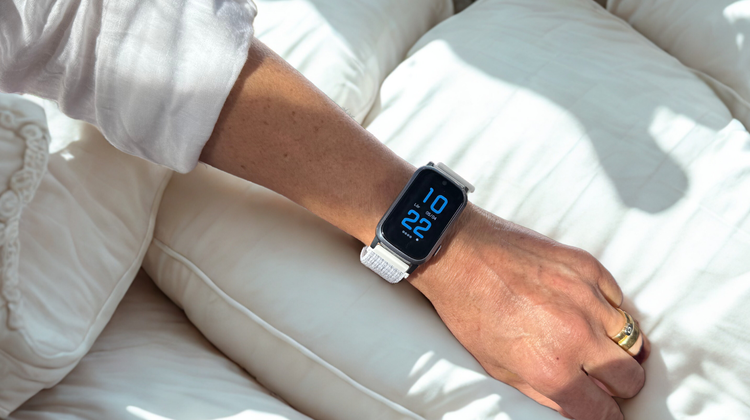
High blood sugar increases fall risk due to dizziness, nerve damage, and muscle weakness. Sensorem’s personal alarm automatically detects falls and calls relatives using the watch’s built-in speakerphone with two-way communication. The alarm works outdoors and has built-in GPS positioning.