
Safety for night staff
Night staff often work alone with fewer colleagues, less support and longer response times. The right procedures and alarm solutions are essential for their safety.
A working environment with particular risks
Working nights means different conditions from daytime work. Staff often work with fewer colleagues, less support and in environments where help is not always close. Risks that are otherwise manageable can have more serious consequences at night.
Read more about night work and lone working and what is lone working.
Common risk situations during night work
- Lone working without colleagues nearby
- Longer response time in incidents
- Unexpected medical emergencies
- Threatening or unpredictable situations
- Fatigue affecting reaction time
HSE guidance confirms that night work carries increased lone working risks that employers must address [1].
When help is slow to arrive
One of the biggest challenges during night work is the time it takes for help to arrive:
- Fewer colleagues are on shift
- Managers and support resources are unavailable
- External services may take longer to respond
This makes every minute more critical.
When seconds make the difference
In an incident, staff must be able to:
- raise an alarm immediately
- make contact without delay
- get help to the right location quickly
Read about violence and threats at work and ensuring lone workers can always get help in time.
How personal alarms are used for night staff
Immediate alert – staff can activate an alarm with a single button press, without needing to use a phone.
Secure alarm chain at night – when an alarm is activated, contacts are reached in a pre-set sequence; the alarm escalates if no one answers.
Location at alert – GPS position is shared automatically so help can be sent directly to the right place.
Alert when staff cannot act – an inactivity alert can be sent automatically, capturing situations where staff cannot raise the alarm themselves.
Safety affects both staff and the business
When safety improves: stress and anxiety reduce, the working environment improves and operational continuity increases. According to EU-OSHA, safety measures are particularly important in work during unsocial hours [2]. Read about employer health and safety duties.
A personal alarm with man-down alert increases workplace safety
Sensorem’s personal alarm has an automatic man-down alert that calls alarm recipients via the watch’s built-in speakerphone with two-way communication. The alarm works outdoors and has built-in GPS positioning.
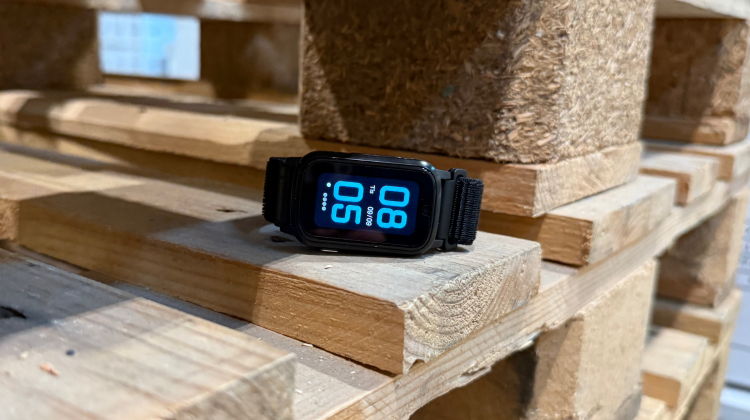
READ ABOUT SENSOREM’S PERSONAL ALARM FOR LONE WORKERS
Sources
-
-
- [1] HSE. Lone working. https://www.hse.gov.uk/lone-working/
- [2] EU-OSHA. Psychosocial risks. https://osha.europa.eu/en/themes/psychosocial-risks-and-stress
-