
What is lone working?
Lone working means working without the ability to get immediate help if something goes wrong. It places significant responsibilities on employers to prevent risks and ensure that help is always available – something regulated clearly by HASAWA 1974 and HSE guidance.
Definition – what counts as lone working?
The HSE defines lone working as work carried out in circumstances where the person cannot be seen or heard by another who could intervene in an emergency – meaning it is not just about being “physically alone”, but about lacking access to immediate assistance [1].
Common examples of lone working:
- Home care workers visiting service users
- Security guards, facilities staff and cleaners
- Field engineers and service technicians
- Staff working evening and night shifts
Read more about lone working in public services and night work and lone working.
What risks are involved?
Delayed help – no one can intervene or raise the alarm if the worker is injured. Read about lone working risks.
Increased vulnerability – encounters with clients, patients or the public can turn threatening with no one to intervene. Read about personal alarms in unsafe situations.
Psychological pressure – lone working, particularly at night or in isolated environments, can increase stress and anxiety.
What must employers do?
Under HSE lone working guidance and HASAWA 1974, employers have a clear duty [1]:
- Carry out a lone worker risk assessment
- Implement concrete control measures to reduce the risks
- Ensure the lone worker can summon help quickly
- Monitor that measures remain effective
Read more about the consequences of failing to comply.
A personal alarm with man-down alert increases workplace safety
Sensorem’s personal alarm has an automatic man-down alert that calls alarm recipients via the watch’s built-in speakerphone with two-way communication. The alarm works outdoors and has built-in GPS positioning.
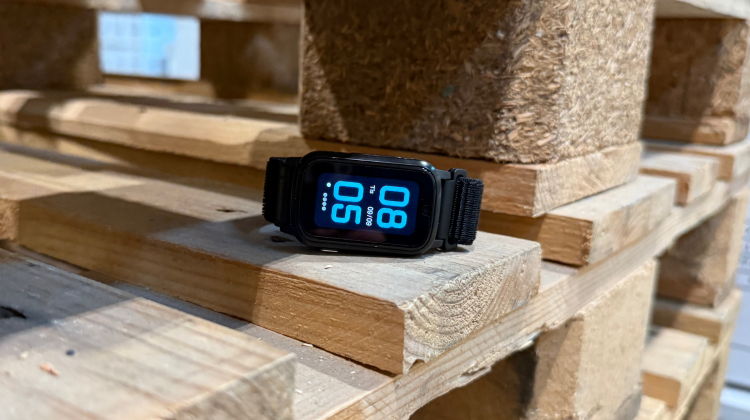
READ ABOUT SENSOREM’S PERSONAL ALARM FOR LONE WORKERS
Sources
- [1] HSE. Lone working. https://www.hse.gov.uk/lone-working/