
How to ensure lone workers can always get help in time
In lone working situations, the time to help is often the critical factor. An incident that would otherwise be manageable can become serious if no one detects it in time. Here we set out the most common weaknesses and what you can concretely do about them.
Common reasons why help does not arrive in time
Mobile phones are not enough – many rely on mobile phones, but they do not always work: the battery runs out, there is no signal, or the person cannot make a call after a fall. Read about automatic alarms in fall incidents.
Lack of visibility – employers do not always know where staff are. Without GPS positioning, help can take a long time to arrive.
Unclear procedures – it is not clear who is responsible when something happens or how an alert should be raised. Read about safety at the workplace for HR managers.
Lone working without support – in threatening situations or medical emergencies there is no colleague to alert. Home care workers and night staff are particularly exposed.
Four measures that ensure fast help
1. Clear procedures – all employees must know how to raise an alarm, when to stop work and who is responsible in an incident.
2. Risk-based planning – identify where and when lone working occurs. A documented risk assessment is the foundation [1].
3. Continuous monitoring – follow up on incidents, update risk assessments and adjust procedures as needed.
4. Technology that works in practice – a lone worker personal alarm with an automatic man-down alert, GPS and two-way communication ensures help is summoned even when the person cannot act themselves. Failures can lead to serious legal consequences [1].
A personal alarm with man-down alert increases workplace safety
Sensorem’s personal alarm has an automatic man-down alert that calls alarm recipients via the watch’s built-in speakerphone with two-way communication. The alarm works outdoors and has built-in GPS positioning.
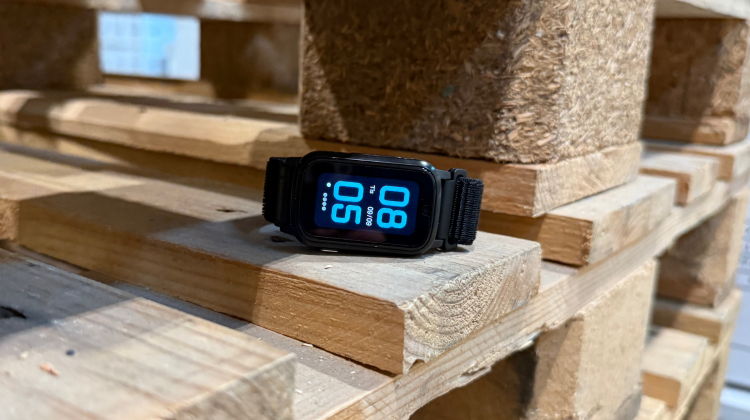
READ ABOUT SENSOREM’S PERSONAL ALARM FOR LONE WORKERS
Sources
- [1] HSE. Lone working. https://www.hse.gov.uk/lone-working/