
How does alcohol affect epilepsy?
Alcohol and epilepsy are a challenging combination. Alcohol alters the brain’s electrical activity and can increase the risk of seizures – both while drinking and during withdrawal. Antiepileptic drugs and alcohol can also interact in ways that weaken treatment.
1. Increased seizure risk
Alcohol affects the brain by altering its electrical activity, which can increase the risk of seizures in people with epilepsy. This is particularly true when alcohol consumption is high or occurs over a longer period.
2. Alcohol withdrawal
After an evening of heavy drinking, withdrawal symptoms can occur, typically within 6–48 hours. These symptoms – including anxiety, tremors and sleep problems – can increase the risk of epileptic seizures, even in people who normally have their epilepsy well controlled.
3. Interaction with medication
Many people with epilepsy are treated with antiepileptic drugs (AEDs). Alcohol can affect how these medications work, reducing their effectiveness or increasing the risk of side effects such as fatigue and confusion. Always consult your doctor about what applies to your specific medication.
Can people with epilepsy drink alcohol?
There is no general prohibition, but caution is important:
- Drink in moderation: Small amounts of alcohol often do not significantly affect epilepsy.
- Know your limits: Pay attention to whether alcohol seems to trigger seizures.
- Talk to your doctor: Your doctor can advise based on your specific situation and medications.
Tips for safer alcohol consumption
- Stick to small amounts – avoid large quantities at once.
- Eat before drinking – food helps stabilise blood sugar and reduce alcohol’s effects.
- Avoid alcohol when sleep-deprived – a dangerous combination for people with epilepsy.
- Don’t skip your medication – continue taking it as prescribed, even if you have been drinking.
Read more: Epilepsy symptoms – Personal alarm for epilepsy – Automatic fall alarm
Safety alarm with automatic fall alarm can increase safety for people with an increased risk of falling
Sensorem’s personal alarm is an example of a technical aid specially developed for people who have an increased risk of falling. The personal alarm can automatically trigger the alarm in the event of a fall and then call relatives using the watch’s built-in speakerphone with two-way communication. The personal alarm works outdoors and has built-in GPS positioning so that relatives can see the user’s position on a map in the Sensorem app.
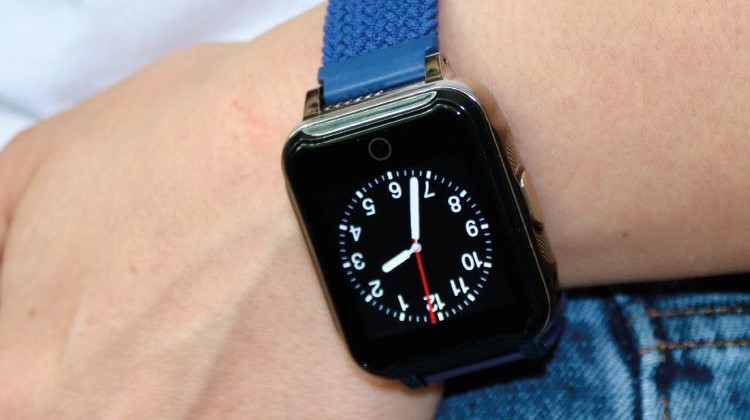
READ ABOUT HOW SENSOREM’S PERSONAL ALARM CAN INCREASE SAFETY FOR SOMEONE SUFFERING FROM EPILEPSY
References
- [1] Epilepsy Society. Alcohol and epilepsy. https://www.epilepsysociety.org.uk
- [2] NHS. Epilepsy – living with epilepsy. https://www.nhs.uk
- [3] Epilepsy Foundation. Alcohol and epilepsy. https://www.epilepsy.com
Read more about epilepsy symptoms and personal alarm for epilepsy.