
Flashes in Your Eyes – Could It Be a Stroke?
Seeing flashes of light in your eyes can be alarming. Often, it’s harmless – but in some cases, it might be an early sign of a stroke. In this article, we explain what causes visual flashes, how to tell if they’re dangerous, and why fast medical attention could save both your brain and your memory.
Common Causes of Flashes and Flickering in the Eyes
Flashes and flickering in the eyes can have many causes – most of them entirely harmless. The most common include:
- Posterior vitreous detachment – common with ageing, when the vitreous gel pulls away from the retina
- Migraine with aura – typically produces a characteristic zigzag pattern that spreads gradually
- Stress and tiredness – can cause brief light phenomena without any underlying condition
- Low blood pressure or blood sugar drop – sometimes causes flickering and dizziness
- Retinal detachment – a serious condition requiring urgent treatment
- Neurological causes – including stroke and TIA
Most cases of flickering in the eyes are harmless and resolve on their own. But in some cases, visual disturbances can be an early warning sign of stroke. Read on to learn how to tell the difference.
What Does It Mean to See Flashes in Your Eyes?
Flashes in your vision – known medically as photopsia – are brief bursts of light that appear without an external light source. They may look like lightning bolts, sparks, or flickering stars.
Common causes include posterior vitreous detachment (common with ageing), retinal conditions, migraine with aura and eye trauma. But in some cases, these visual symptoms may have neurological origins – and that’s when stroke risk comes into play.
When Can Flashes Be a Sign of Stroke?
Stroke symptoms vary widely depending on which part of the brain is affected. If you suddenly see flashes or lose part of your vision – especially in one eye or one side of your visual field – it may be a warning sign of a stroke in the back of the brain (posterior circulation stroke).
These types of strokes can cause:
- Sudden visual loss or field deficits
- Double vision
- Dizziness
- Balance problems
- Poor coordination
Importantly, visual symptoms are often overlooked – both by those affected and by medical staff.
How to Tell Harmless Flashes from a Stroke
It’s not always easy to tell the difference. Here’s a quick guide:
| Symptom | Probably Harmless | Possibly Stroke |
|---|---|---|
| Flashes when moving the eye | Yes | No |
| Flashes with migraine headache | Yes | Maybe |
| Sudden loss of vision | No | Yes |
| One-sided visual change | No | Yes |
| Other neurological symptoms | No | Yes |
When in doubt – call emergency services immediately. It’s always better to be safe than sorry.
When Should You Seek Help?
- Call 999 (UK) or 112 (Ireland) immediately if flashes are accompanied by dizziness, numbness, speech problems or facial drooping
- See an eye doctor urgently within a few days if flashes are new and isolated, with no other symptoms
- Contact your GP if flickering recurs without a clear cause
Read more: What is a TIA attack? – a temporary visual disturbance can be a TIA that precedes a full stroke.
What Happens in the Brain During a Stroke?
A stroke occurs when blood flow to part of the brain is blocked. If the affected area includes regions that control vision – such as the occipital lobe – symptoms may include partial or full vision loss, blurred vision, or flashes. This is especially true in strokes affecting the posterior circulation, which are often harder to detect than classic one-sided stroke symptoms.
Migraine with Aura – How It Differs from Stroke
Migraine with aura causes visual disturbances that can resemble stroke symptoms but which typically spread gradually over 5–30 minutes and are often followed by a headache. Typical signs include zigzag patterns, shimmering light arcs or temporary vision loss. Migraine with aura is harmless in itself, but should be investigated if it is new – and you should always seek emergency care if you are unsure.
Stroke and Dementia – A Crucial Link
Stroke is more than just an acute event. Many people who suffer a stroke experience long-term effects – including cognitive decline. Repeated small strokes in the brain can lead to vascular dementia, where brain function slowly deteriorates due to impaired blood flow. Early detection and treatment of stroke can therefore be vital in preventing future memory loss.
Sensorem’s Personal Alarm – Always There When You Need It
Sensorem’s personal alarm can automatically trigger an alert in the event of a fall and then automatically call relatives using the watch’s built-in speakerphone with two-way communication. The user can also trigger the alarm manually by pressing the physical alarm button. The personal alarm works outdoors and has built-in GPS positioning so that relatives can see the user’s position on a map in the Sensorem app.
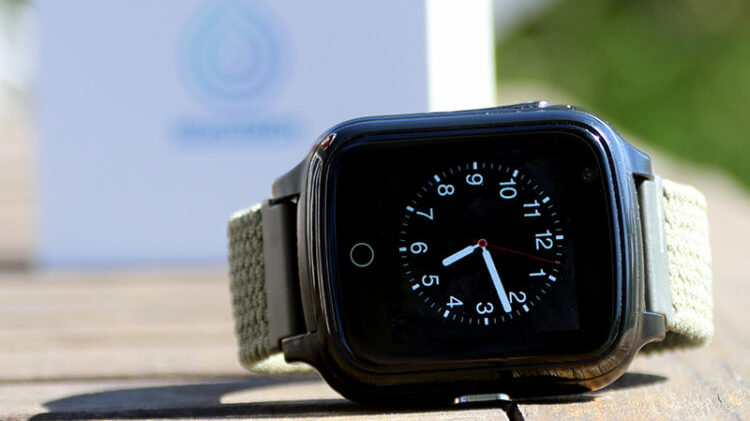
SENSOREM’S PERSONAL ALARM CAN INCREASE SAFETY AFTER A STROKE
References
[1] Fisher, C.M. (2002). “Posterior circulation ischemia: then, now, and tomorrow.” Stroke. [2] Lavallée, P.C. et al. (2007). “Vision symptoms as a warning sign of stroke.” The Lancet Neurology. [3] Gorelick, P.B. et al. (2011). “Vascular contributions to cognitive impairment and dementia.” Stroke.
When Should You Call Emergency Services?
Call 999 (UK) or 112 (Ireland) immediately at sudden visual disturbances combined with other stroke symptoms: facial drooping, arm or leg weakness, speech problems or severe dizziness. Do not wait.
Read more: What is a stroke? – What is a TIA attack? – Symptoms after a TIA attack – Difference between stroke and brain haemorrhage – Personal alarm