
What Is a TIA Attack? – A Warning Signal from the Brain
A TIA attack, or transient ischaemic attack, is a temporary disruption of blood flow to the brain that must be taken very seriously. Symptoms resemble those of a stroke but resolve on their own – usually within minutes. This does not mean everything is fine. A TIA is a major warning sign that the risk of a full stroke or other serious cardiovascular events has increased significantly.
What Happens in the Body During a TIA?
During a TIA, blood flow to part of the brain is temporarily blocked, often by a small clot. Without oxygen and nutrients, brain function becomes impaired, causing various symptoms depending on which area of the brain is affected. Even when blood flow returns and symptoms resolve, microscopic damage can still have occurred.
TIA Symptoms – How to Recognise Them
TIA symptoms come on suddenly and without warning. The most common are:
Facial drooping or numbness Sudden numbness or weakness in the face, arm, or leg – particularly on one side of the body. Many people describe it as body parts “going to sleep” or feeling unexpectedly heavy. Ask the person to smile – if one side of the mouth droops, it may be a TIA.
Speech and language difficulties Confusion, trouble speaking or understanding what others are saying. Speech may sound slurred or strange, or the person may struggle to find words.
Vision problems Sudden visual disturbances in one or both eyes – blurred, double, or a sensation of a curtain being drawn across the vision. Can also present as flashes or flickering in the eyes.
Dizziness and balance problems Sudden dizziness, difficulty with balance or coordination, or a feeling that the ground is moving.
Sudden severe headache A severe headache with no known cause, sometimes described as the worst ever experienced.
Because symptoms often resolve quickly, many people ignore them. This is a serious mistake – a TIA is a medical emergency.
How Long Does a TIA Last?
By definition, TIA symptoms last no longer than 24 hours. In practice, most episodes are considerably shorter – typically 5 to 60 minutes. The fact that symptoms pass quickly does not mean the danger is over. The risk of a subsequent full stroke is greatest in the first 48 hours after a TIA [1]. Seek emergency care immediately, regardless of how quickly symptoms disappeared.
What Causes a TIA Attack?
A TIA has the same causes and risk factors as an ischaemic stroke. The most common cause is a small blood clot that temporarily blocks a blood vessel in the brain. The clot may form in the heart, in the carotid artery, or in one of the brain’s own blood vessels.
Common risk factors include:
- High blood pressure – the single most important risk factor
- Atrial fibrillation – irregular heart rhythm that can form clots
- Diabetes
- High cholesterol and atherosclerosis
- Smoking
- Older age
- Family history
TIA as a Risk Factor for Stroke and Dementia
Around one third of people who experience a TIA will go on to have a full stroke if no preventive treatment is started [1]. The risk is particularly high in the first days and weeks after a TIA.
TIAs are not only linked to stroke. Research shows that people who have had a TIA are twice as likely to develop dementia compared to those without a TIA history [2]. This risk is especially related to vascular dementia, caused by damage to the brain’s blood vessels following repeated episodes of oxygen deprivation.
Each TIA can injure brain cells, even if symptoms disappear quickly. Over time, repeated TIAs can impair the brain’s ability to process information, recall details and plan activities [3].
How to Prevent Another TIA
Seeking prompt medical attention after a TIA can save lives and prevent serious complications. Treatment after a TIA typically includes:
- Blood-thinning medication (e.g. aspirin or clopidogrel)
- Blood pressure medication if blood pressure is elevated
- Statins for high cholesterol
- Lifestyle changes: stopping smoking, regular exercise and a healthier diet
Read more about reducing your risk: How to prevent stroke
Sensorem’s Personal Alarm – Always There When You Need It
Sensorem’s personal alarm can automatically trigger an alert in the event of a fall and then automatically call relatives using the watch’s built-in speakerphone with two-way communication. The user can also trigger the alarm manually by pressing the physical alarm button. The personal alarm works outdoors and has built-in GPS positioning so that relatives can see the user’s position on a map in the Sensorem app.
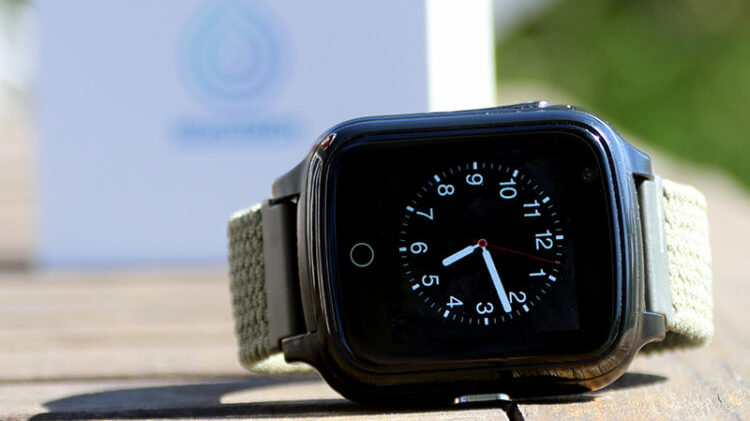
SENSOREM’S PERSONAL ALARM CAN INCREASE SAFETY AFTER A STROKE
References
[1] Easton JD, Saver JL, Albers GW, et al. “Definition and Evaluation of Transient Ischemic Attack.” Stroke, 2009;40(6):2276-2293.
[2] Allan LM, Rowan EN, Firbank MJ, et al. “Long-term incidence of dementia, predictors of mortality and pathological diagnosis in older stroke survivors.” Brain, 2011;134(12):3713-3724.
[3] Pendlebury ST, Rothwell PM. “Risk of recurrent stroke, other vascular events and dementia after transient ischemic attack and stroke.” Cerebrovascular Diseases, 2009;27(1):1-11.
When Should You Call Emergency Services?
Call 999 (UK) or 112 (Ireland) immediately at sudden symptoms of TIA or stroke: facial drooping, arm or leg weakness, speech problems, visual disturbances or severe headache. Do not wait to see if symptoms pass.
Read more: What is a stroke? – Symptoms after a TIA attack – Difference between stroke and brain haemorrhage – How to prevent stroke – Personal alarm