How does one die from Alzheimer’s? Understanding the final stages
Alzheimer’s disease is progressive and incurable. Most people do not die directly from the disease itself but from complications in the final stage – pneumonia, infections and malnutrition are the most common causes of death.
Alzheimer’s disease is a progressive neurodegenerative disease. Read more about the three stages of Alzheimer’s and life expectancy with Alzheimer’s.
What happens in the brain with Alzheimer’s?
Alzheimer’s causes a gradual loss of nerve cells in the brain, leading to impaired cognitive ability. In the final stage, the parts of the brain controlling basic functions such as breathing, swallowing and movement are also affected.
Complications in the final stage
Most people with Alzheimer’s do not die directly from the disease, but from complications:
- Pneumonia: Swallowing difficulties increase the risk of aspiration and pneumonia – one of the most common causes of death.
- Infections: A weakened immune system can lead to urinary tract infections that spread to the bloodstream (sepsis).
- Malnutrition and dehydration: Difficulty eating and drinking can lead to life-threatening malnutrition.
Other factors
Muscle weakness leads to pressure sores and blood clots, which can cause heart and lung complications.
Palliative care
Palliative care is central in the final stage. The goal is to relieve pain and provide emotional support to both the individual and their loved ones.
Read more: Alzheimer’s disease – The three stages of Alzheimer’s – Life expectancy – Dementia tracker
Sensorem’s safety alarm has GPS positioning, medication reminders and automatic fall alarm
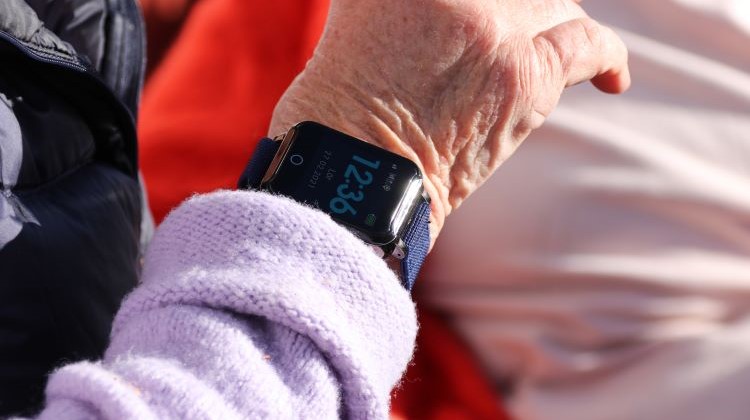
Sensorem’s personal alarm is an example of a technical aid specially developed for people with dementia. The personal alarm works outdoors and has built-in GPS positioning so that relatives can see the user’s position on a map in the Sensorem app. Relatives are automatically called (two-way communication) if the user leaves a predetermined geographical area. The personal alarm also has medication reminders and can alert automatically in the event of a fall.