
Osteoporosis in the Spine – Symptoms and Compression
Osteoporosis affects the entire skeleton, but the spine is one of the places where the consequences are most visible. Vertebral compression fractures – where vertebrae gradually or suddenly collapse – can cause severe back pain, loss of height and increased fall risk in daily life.
What Happens to the Spine in Osteoporosis?
The spine consists of 33 vertebrae stacked on top of each other, separated by discs that act as shock absorbers. In osteoporosis, bone mineral density in the vertebrae decreases, making them weaker and more likely to collapse under the weight of the body itself.
This is called vertebral compression fracture, and it is the most common type of osteoporotic fracture – more common than hip fracture. The difference is that hip fracture almost always requires a fall, whereas vertebral compression can occur spontaneously, without any external force [1].
Symptoms of Osteoporosis in the Spine
The pattern of symptoms varies greatly:
Without symptoms – the most common presentation Up to two thirds of all vertebral compression fractures occur without the person noticing. The vertebrae collapse slowly and gradually. The signs are instead:
- Progressive loss of height (more than 3–4 cm over a few years)
- Stooped posture – the upper back becomes rounded
- Reduced mobility in the back [2]
With acute back pain In around one third of cases, the compression fracture causes sudden, sharp back pain:
- Pain is typically located in the thoracic or lumbar spine
- It worsens with movement, standing up and coughing
- It is relieved lying down
- Pain may radiate around the torso
The pain can be difficult to distinguish from ordinary muscle pain or a slipped disc, which means the diagnosis is sometimes delayed [1].
Height Loss – An Underestimated Sign
One of the clearest indicators of vertebral compression fracture is becoming shorter. Most people expect to lose a little height with age – but a loss of more than 3–4 cm, or a rapid change, is a clear sign that vertebrae have collapsed.
Compare your current height with your height at age 25–30. A difference of more than 4 cm should prompt a medical review and bone density scan [2].
Where in the Spine Do Fractures Occur?
Vertebral compression fractures most commonly occur in:
- Thoracic spine (thoracic vertebrae) – particularly in the middle of the back, around T7–T10. These fractures cause the characteristic stooped posture
- Lumbar spine (lumbar vertebrae) – often causes more acute and localised pain, sometimes radiating into the legs
Cervical spine fractures are uncommon in osteoporosis.
Vertebral Compression and Fall Risk
Osteoporosis in the spine does not only affect the back – it affects the whole body and increases fall risk in several ways:
- Postural change – a stooped back shifts the centre of gravity forward, destabilising gait and increasing the risk of tripping
- Pain limits mobility – someone with back pain moves less, which weakens leg muscles and further impairs balance
- Core muscle weakness – vertebral compression fractures weaken the muscles that stabilise the spine, affecting the body’s overall balance [3]
This creates a negative spiral: osteoporosis → compression fracture → poorer posture → increased fall risk → new fracture. Breaking the spiral early is important.
Treatment of Vertebral Compression Fracture
Acute pain relief
- Rest, pain relief and sometimes a supportive back brace in the first weeks
- Pain from a vertebral compression fracture typically resolves within 6–12 weeks, but can become chronic
Osteoporosis treatment The most important step is treating the underlying osteoporosis to prevent new fractures. Read more about osteoporosis treatment – medication, exercise and diet.
Exercise and rehabilitation Exercise that strengthens the back muscles and improves posture is central to long-term rehabilitation. A physiotherapist experienced in osteoporosis is invaluable. Weight-bearing activities such as walking are recommended over inactivity [3].
What Can Be Done at Home?
Beyond medical treatment, there is much to do at home to reduce the risk of new compression fractures and falls:
- Avoid heavy lifting and forward-bending movements during the acute phase
- Sleep on a firm mattress that provides back support
- Adapt furniture – chairs with armrests and the right seat height reduce strain
- Be particularly alert to slip hazards at home – compression fractures worsen balance
- Install grab rails in the bathroom and shower [2]
Personal Alarm with Automatic Fall Detection for People with Osteoporosis
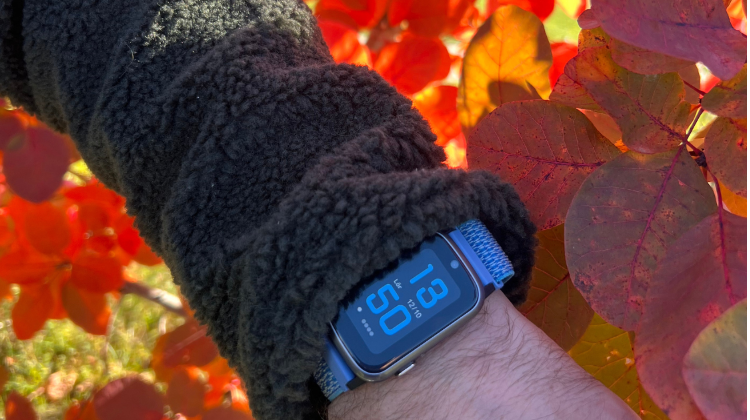
With osteoporosis, a fall is never without risk. Sensorem’s personal alarm automatically detects falls and calls relatives via the watch’s built-in speakerphone – even if the person cannot press the button. The alarm works outdoors and has built-in GPS positioning.
READ ABOUT HOW SENSOREM’S PERSONAL ALARM AUTOMATICALLY DETECTS FALLS
Sources
- Läkemedelsboken. Osteoporosis – investigation and treatment. https://lakemedelsboken.se
- 1177 Vårdguiden. Osteoporosis. https://www.1177.se/sjukdomar–besvar/skelett-leder-och-muskler/skelettet/osteoporos/
- Läkartidningen. Physical activity in osteoporosis. https://lakartidningen.se
When to seek care
Contact your GP if you have back pain that does not resolve, if you have noticed you have become shorter, or if you suspect a vertebral compression fracture. Call 112 (or your local emergency number) if you fall and cannot get up or have severe pain.
Read more: What is osteoporosis? – Osteoporosis symptoms – Osteoporosis treatment