
What Is Osteoporosis? Symptoms, Causes and Fall Risk
Osteoporosis – or brittle bone disease – means the skeleton loses density and strength. It raises the risk of fracture in a fall, particularly hip fracture, which is one of the most common and serious injuries in older adults. In Sweden, over 700,000 people are estimated to have osteoporosis, many of them undiagnosed.
What Is Osteoporosis?
Osteoporosis is a disease in which bone tissue breaks down faster than it is rebuilt, making bones more fragile and susceptible to fracture. The bone looks normal from the outside but is porous and weaker inside.
The disease is most common in older women after menopause, but also affects men and younger people with certain risk factors. Many people do not know they have osteoporosis until a bone breaks in a fall that would normally have caused nothing more than a bruise [1].
How Common Is Osteoporosis in Sweden?
Osteoporosis is one of the most common chronic diseases among older adults in Sweden:
- Approximately 70 percent of all hip fractures in Sweden are caused by osteoporosis
- One in three women and one in five men over 50 will suffer an osteoporosis-related fracture during their lifetime
- Around 18,000 hip fractures occur in Sweden every year – the majority in people with osteoporosis [2]
Many cases go undiagnosed because osteoporosis rarely causes symptoms before a fracture occurs.
Symptoms of Osteoporosis
Osteoporosis is sometimes called the “silent disease” because it causes no pain or obvious warning signs in its early stages. Symptoms typically appear only once bone loss is well advanced:
- Fractures from minor injuries – a fall that would normally cause only a bruise results in a broken bone
- Back pain – vertebral compression fractures (collapsed vertebrae) often cause sudden back pain
- Loss of height – gradual compression of the spine due to collapsed vertebrae
- Stooped posture – the so-called “widow’s hump” develops when vertebrae compress in the upper spine [3]
What Causes Osteoporosis?
The skeleton is in a constant state of renewal – old bone is broken down and new bone is formed. In osteoporosis, this balance is disrupted. The most common causes:
- Age – bone mass naturally decreases from around age 35, more rapidly in women after menopause
- Low oestrogen levels – menopause is the strongest single risk factor in women
- Vitamin D deficiency and low calcium intake – essential building blocks for bone tissue
- Physical inactivity – movement stimulates bone formation; inactivity accelerates breakdown
- Smoking and high alcohol consumption – both impair bone metabolism
- Corticosteroid treatment – long-term use of steroid tablets is one of the strongest medication-related causes
- Certain diseases – COPD, rheumatoid arthritis and hyperthyroidism all increase risk [1, 3]
Osteoporosis and Fall Risk – Why Is the Combination So Dangerous?
Osteoporosis does not in itself increase the risk of falling – but it makes a fall dramatically more dangerous. A person with osteoporosis who falls may break a bone in a situation that would have left a healthy person with just a bruise.
The most common fractures in osteoporosis:
- Hip fracture – the most serious. One in four people who suffer a hip fracture die within one year. Half of those who survive never regain full mobility [2]
- Vertebral compression fracture – sudden back pain, often without obvious trauma
- Wrist fracture – common reflex fracture when falling onto an outstretched hand
This is why fall prevention measures are particularly important for anyone with osteoporosis. Every fall is a potentially life-threatening event.
How Is Osteoporosis Diagnosed?
Osteoporosis is diagnosed using a bone density scan called DXA (dual-energy X-ray absorptiometry), which measures mineral density in the skeleton. The scan is simple, painless and takes around 15 minutes. It is usually performed on the hip and lumbar spine.
The result is expressed as a T-score:
- T-score above -1.0: Normal bone density
- T-score -1.0 to -2.5: Osteopenia (early bone loss)
- T-score below -2.5: Osteoporosis [3]
Ask your GP about a bone density scan if you are a woman over 65, a man over 70, or have risk factors such as long-term steroid treatment, smoking or a previous fracture.
What Can Be Done to Prevent and Slow Osteoporosis?
Osteoporosis cannot be cured, but it can be slowed and prevented:
- Calcium and vitamin D – adequate intake is fundamental. Vitamin D deficiency is common in northern countries during winter
- Weight-bearing exercise – walking, strength training and dancing stimulate bone formation more effectively than cycling or swimming
- Stopping smoking and limiting alcohol – both directly affect bone metabolism
- Medication – bisphosphonates (e.g. alendronate) are the first-line treatment and have strong evidence for reducing fracture risk [1]
- Fall prevention at home – because the fall itself is the dangerous moment, home safety is just as important as medication
Personal Alarm with Automatic Fall Detection for People with Osteoporosis
With osteoporosis, a fall is never harmless. Sensorem’s personal alarm automatically detects falls and calls relatives via the watch’s built-in speakerphone – even if the person cannot press the button. The alarm works outdoors and has built-in GPS positioning.
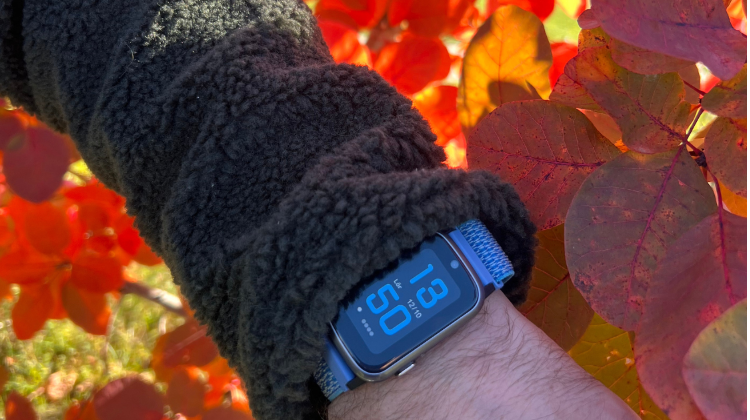
READ ABOUT HOW SENSOREM’S PERSONAL ALARM AUTOMATICALLY DETECTS FALLS
Sources
- Läkemedelsboken. Osteoporosis – investigation and treatment. https://lakemedelsboken.se
- Swedish National Board of Health and Welfare (Socialstyrelsen). Hip fracture in older adults – statistics and treatment. https://www.socialstyrelsen.se
- 1177 Vårdguiden. Osteoporosis. https://www.1177.se/sjukdomar–besvar/skelett-leder-och-muskler/skelettet/osteoporos/
When to seek care
Contact your GP if you suspect you may have osteoporosis or if you have a risk factor such as long-term steroid treatment, early menopause or a previous fracture. Call 112 (or your local emergency number) if you fall and suspect a serious injury.
Read more: COPD and fall risk – another condition that significantly increases fall risk at home.