What Is COPD? Symptoms, Causes and Effects on the Body
2026-05-10
COPD – chronic obstructive pulmonary disease – is one of the most common chronic diseases in Sweden, affecting up to 700,000 people. Around half of them do not know they have it. The disease affects breathing, energy levels and balance, and increases the risk of falls at home over time.
What Is COPD?
COPD stands for chronic obstructive pulmonary disease. It is a chronic inflammatory condition of the airways that makes breathing progressively more difficult. Airflow to the lungs is permanently reduced and cannot be fully restored, but the right treatment can slow the progression.
The disease is closely associated with two conditions – chronic bronchitis and emphysema – and most people with COPD have elements of both. Chronic bronchitis involves persistent inflammation of the airways with coughing and mucus production. Emphysema involves destruction of the air sacs (alveoli), reducing the lungs’ ability to transfer oxygen to the blood [2].
How Common Is COPD?
COPD is more common than most people realise. Up to 700,000 people in Sweden are estimated to have COPD, but approximately half remain undiagnosed [3]. This makes COPD one of the most underdiagnosed diseases in the country.
The disease is rare before the age of 40 and increases significantly with age:
Around 5% of smokers at age 45 have COPD
Around 25% of smokers are affected by age 60
Up to 50% of long-term smokers have COPD by age 75 [4]
Approximately 2,700–3,000 people in Sweden die from COPD each year – more than from breast cancer [5].
What Causes COPD?
Smoking is the dominant risk factor, accounting for around 80% of all COPD cases. However, COPD can also affect people who have never smoked [3].
Other causes and risk factors include:
Long-term passive smoking
Occupational exposure to dust, gases or chemicals
Recurrent respiratory infections in childhood
Hereditary deficiency of the protein alpha-1-antitrypsin
Air pollution
Symptoms develop gradually over many years, which is why many people do not seek care until lung function is already severely impaired [2].
Early Symptoms of COPD
Early signs of COPD are easy to miss – they resemble smoker’s cough, asthma or a common cold. Common early symptoms include:
Persistent cough, often with mucus production
Respiratory infections that take longer than usual to clear
Wheezing or whistling in the chest
Increasing breathlessness during physical activity
Many people gradually adapt to the symptoms, attributing them to normal ageing rather than disease [6].
Symptoms in Moderate and Severe COPD
As the disease progresses, more parts of the body are affected. In addition to breathing difficulties, the following often develop:
Pronounced fatigue – breathing requires more energy, placing strain on the whole body
Breathlessness at rest – in severe COPD, rest alone is not enough to recover
Weight loss and muscle weakness – common in advanced COPD, caused by increased energy expenditure and reduced physical activity
Swollen legs – may indicate the heart has been affected
Increased susceptibility to infection – flare-ups known as exacerbations are often triggered by respiratory infections [3, 6]
COPD and Fatigue – Why Does Energy Decline?
Fatigue in COPD is one of the symptoms that most affects quality of life, yet it is often underrecognised. It results from several interacting factors.
Breathing is muscular work. In COPD, the breathing muscles work harder than normal to force air through narrowed airways – requiring up to ten times more energy than in a healthy person. Lower oxygen levels in the blood also mean all muscles in the body have less capacity [7].
This fatigue leads to reduced movement, which in turn causes further muscle weakness and poorer balance – an important factor in increased fall risk.
COPD and Comorbidities
COPD is now understood as a systemic disease – one that affects the whole body, not just the lungs. Common coexisting conditions include:
Heart failure – the heart is strained by the increased workload and oxygen deficiency
Osteoporosis – bone loss is so common in COPD that preventive treatment is often recommended
Depression and anxiety – affecting a significant proportion of people with severe COPD, partly due to breathlessness and reduced mobility
Malnutrition – between 20% and 60% of people with COPD are malnourished
Muscle loss (sarcopenia) – active muscle breakdown that worsens weakness and balance problems [3, 7]
The combination of fatigue, muscle weakness, dizziness from low oxygen levels and medication side effects makes COPD a significant risk factor for falls – particularly at home.
How Is COPD Diagnosed?
COPD is diagnosed using a simple lung function test called spirometry. The person blows into a mouthpiece and the test measures how much air can be exhaled and how quickly. A ratio below 0.7 between FEV1 (forced expiratory volume in one second) and FVC (forced vital capacity) confirms the diagnosis [2].
Many people live with COPD for years without a diagnosis. COPD should be suspected in anyone over 35 who smokes or has been exposed to airway irritants and has recurrent respiratory symptoms [6].
What Can Be Done to Slow COPD?
COPD cannot be cured, but its progression can be slowed significantly. The single most important step is to stop smoking – regardless of how long the person has smoked and at what stage the disease is. Quitting smoking is the only intervention that actually halts the breakdown of lung tissue [1].
Beyond smoking cessation, several things make a significant difference:
Physical activity – perhaps the most undervalued advice in COPD. Regular movement, adapted to individual capacity, reduces breathlessness, strengthens muscles and improves balance. Even gentle walking has a measurable effect [8]
Breathing exercises – pursed-lip breathing (slow exhalation through slightly pursed lips) can relieve the sensation of breathlessness during exertion
Vaccination – annual influenza vaccine and pneumococcal vaccine are recommended for everyone with COPD, as respiratory infections are the most common trigger for exacerbations [1]
Diet and weight stability – underweight is a serious problem in severe COPD and should be actively prevented
Medication – bronchodilator inhalers are the cornerstone of treatment and relieve symptoms, but do not replace the lifestyle measures above
Many healthcare centres have a COPD clinic with a team including a doctor, nurse, physiotherapist and dietitian. Participating in structured pulmonary rehabilitation has been shown to improve quality of life and reduce the risk of hospitalisation [1, 8].
Living with COPD at Home – Practical Challenges
One of the most difficult aspects of COPD is how gradually it infiltrates daily life. Many people start adapting without noticing – avoiding stairs, stopping walks, declining activities. Reduced mobility leads to further muscle weakness, making movement even harder. This is a negative spiral that is important to break early.
Fear of sudden breathlessness leads many people with severe COPD to stay indoors. The home becomes the primary environment – and the environment where most hours are spent. This places demands on home safety and the ability to quickly reach help if something happens.
COPD and Fall Risk at Home
Oxygen deficiency, fatigue and muscle weakness affect balance and reaction time. Everyday situations – getting up from a chair, going to the bathroom, stepping onto the balcony – can pose a real risk.
For relatives and loved ones, it can be difficult to know how best to help without taking away the person’s independence.
Personal alarm with automatic fall detection for people living with COPD
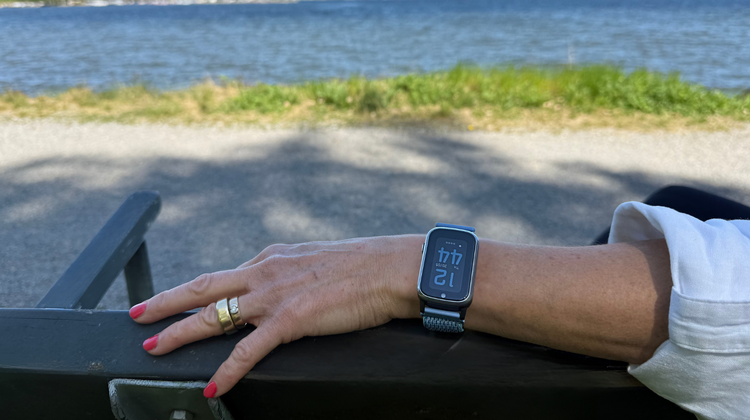
COPD increases the risk of falls due to fatigue, muscle weakness and low oxygen levels. Sensorem’s personal alarm is a device designed for exactly this situation: it automatically detects falls and calls relatives via the watch’s built-in speakerphone with two-way communication. The alarm works outdoors and has built-in GPS positioning.
Contact your GP if you suspect your COPD has worsened or if you are having difficulty breathing. Call 112 (or your local emergency number) if breathlessness is severe.