
What Is a Brain Hemorrhage?
A brain hemorrhage occurs when a blood vessel in the brain bursts and blood enters the brain tissue. It is a life-threatening form of stroke that requires immediate care – and can increase the long-term risk of vascular dementia.
A brain hemorrhage, also called an intracerebral hemorrhage, is a type of stroke that occurs when a blood vessel in the brain bursts. Read more about symptoms of brain hemorrhage and personal alarm after stroke.
What happens during a brain hemorrhage?
When a blood vessel inside the brain bursts, blood leaks out and damages the surrounding brain tissue. The blood also creates increased pressure inside the skull, which can lead to further damage [1].
It is a form of haemorrhagic stroke, as distinct from ischaemic stroke, which is caused by a blood clot. Approximately 15% of all strokes are brain hemorrhages, but they generally have a more serious course [2].
Common causes
- High blood pressure (most common cause)
- Vascular malformations (e.g. aneurysm or AVM)
- Blood-thinning medications
- Head trauma
- Blood clotting disorders
Common symptoms
Symptoms often appear suddenly and without warning:
- Sudden, severe headache
- Loss of or reduced consciousness
- Unexplained vomiting
- One-sided paralysis or loss of sensation
- Speech or language disturbances
- Visual disturbances
- Seizures (particularly with larger bleeds)
Call emergency services immediately if you suspect a stroke – it is impossible to tell without a scan whether it is a hemorrhage or clot.
Diagnosis and treatment
Diagnosis is made using CT scanning of the brain. Treatment focuses on lowering blood pressure, stabilising the patient and, in some cases, surgical evacuation – not clot-dissolving drugs [3,4].
Brain hemorrhage and dementia
Brain hemorrhage can increase the risk of cognitive decline and vascular dementia, particularly with repeated smaller bleeds [5].
Read more: Symptoms of brain hemorrhage – What is a stroke? – Safety alarm after stroke – Vascular dementia
Safety alarm with automatic fall alarm can increase safety for people with an increased risk of falling
Sensorem’s personal alarm is an example of a technical aid specially developed for people who have an increased risk of falling. The personal alarm can automatically trigger the alarm in the event of a fall and then call relatives using the watch’s built-in speakerphone with two-way communication. The personal alarm works outdoors and has built-in GPS positioning so that relatives can see the user’s position on a map in the Sensorem app.
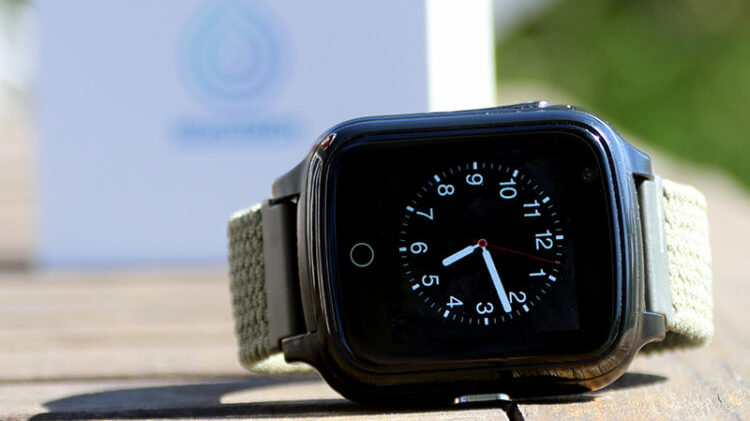
SENSOREM’S PERSONAL ALARM CAN INCREASE SAFETY AFTER A STROKE
References
- [1] Qureshi AI, et al. “Intracerebral hemorrhage.” New England Journal of Medicine, 2001.
- [2] Stroke Association. Types of stroke. https://www.stroke.org.uk
- [3] Steiner T, et al. “ESO guidelines for intracerebral hemorrhage.” International Journal of Stroke, 2014.
- [4] Hemphill JC, et al. “Guidelines for Spontaneous Intracerebral Hemorrhage.” Stroke, 2015.
- [5] Cordonnier C, et al. “Brain microbleeds and cognitive impairment.” Stroke, 2007.