
Prevent Osteoporosis – Exercise, Diet and Lifestyle
Osteoporosis is not inevitable. With the right diet, regular exercise and a few lifestyle changes, you can build and preserve a strong skeleton – and reduce the risk of the falls and fractures that brittle bones bring with them.
Can Osteoporosis Really Be Prevented?
Yes – and it is never too early or too late to start. Peak bone mass is reached between ages 25 and 30, and what you do before that point determines how much margin you have when breakdown accelerates. But research clearly shows that measures at any age have an effect – even in those who already have osteoporosis or osteopenia [1].
The aim is twofold: build and preserve bone mass, and prevent the falls that make brittle bones dangerous.
Exercise That Strengthens the Skeleton
Not all exercise is equal when it comes to bone health. What makes the difference is weight-bearing exercise – exercise in which the skeleton bears the body’s weight and is subjected to impacts and load. This signals to the body to build new bone.
Most effective for bone:
- Walking – simple, effective and can be done daily. Aim for at least 30 minutes a day
- Strength training – puts extra load on the skeleton and strengthens the muscles that maintain balance. 2–3 times per week
- Dancing – combines weight-bearing exercise with balance training – proven effective against falls
- Stair climbing – natural weight-bearing exercise that fits into everyday life
Less effective for bone (but good otherwise):
- Cycling and swimming do not load the skeleton in the same way – good for fitness and joints, but not primarily bone-building [2]
Balance training – the direct link to fall prevention
Balance training reduces fall risk directly, regardless of bone density:
- Standing on one leg (30 seconds each side, build up gradually)
- Tai chi – strong scientific evidence for reducing falls in older adults
- Stepping up and down on a small step
A physiotherapist can put together an individual programme combining strength and balance training.
Diet for Strong Bones
Calcium – the cornerstone
Calcium is the skeleton’s most important building block. Adults need 800–1,000 mg per day, most of which should come from food:
- Dairy products (milk, yoghurt, cheese) – the best source
- Green leafy vegetables (kale, broccoli, spinach)
- Fortified plant-based milk alternatives
- Sardines and salmon with bones
Supplements may be necessary if diet is insufficient, but research shows that food is better than supplements where possible [1].
Vitamin D – key to calcium absorption
Without vitamin D, the body cannot absorb calcium effectively. Vitamin D deficiency is common, particularly October–April in northern countries. Sources:
- Sunlight (15–20 minutes per day on bare skin during summer)
- Oily fish (salmon, mackerel, herring)
- Fortified foods
A supplement of 800–1,000 IU per day is recommended for older adults, particularly during winter [3].
Other dietary factors:
- Protein – important for preserving muscle mass, which indirectly protects against falls
- Vitamin K – found in green leafy vegetables, important for bone density
- Magnesium – found in nuts, seeds and wholegrains
- Limit: salt (increases calcium excretion), high caffeine and alcohol
Lifestyle Factors That Affect the Skeleton
Smoking Smoking is a strong risk factor for osteoporosis. It reduces oestrogen production, impairs calcium absorption and accelerates bone breakdown. Stopping smoking improves bone density – at any age [1].
Alcohol More than 2–3 standard drinks per day significantly increases the risk of osteoporosis. Alcohol disrupts bone metabolism and affects vitamin D processing. Moderate consumption (up to 1–2 drinks per day) does not appear to have a negative effect.
Medications to be aware of Some medications increase the risk of osteoporosis with long-term use – corticosteroids are the most common. If you are on long-term steroid treatment, your doctor should also discuss preventive osteoporosis measures. Read more about medications that increase fall risk.
Fall Prevention – as Important as Building Bone
Building a stronger skeleton is long-term work. Preventing falls has an immediate effect on fracture risk. Both are needed.
Practical steps at home:
- Remove loose rugs, cables and other trip hazards
- Good lighting, especially at night on the way to the bathroom
- Grab rails in the shower and next to the toilet
- Supportive footwear indoors – never socks on smooth floors
- Always rise slowly from a chair or bed – wait for any dizziness to pass
Fear of falling is common – and understandable. But it often leads to less movement, which in turn weakens muscles and increases fall risk. Combining exercise with home safety measures is the most effective combination [2].
Monitor Your Bone Density Regularly
Osteoporosis cannot be seen or felt – a DXA scan is needed. The recommendation is to measure bone density if you:
- Are a woman over 65 or a man over 70
- Have risk factors (corticosteroids, early menopause, previous fracture, smoking)
- Already have a diagnosis of osteopenia – scan every 2 years
Read more about how the diagnosis is made in our article on osteoporosis symptoms.
Personal Alarm with Automatic Fall Detection for People with Osteoporosis
With osteoporosis, a fall is never without risk. Sensorem’s personal alarm automatically detects falls and calls relatives via the watch’s built-in speakerphone – even if the person cannot press the button. The alarm works outdoors and has built-in GPS positioning.
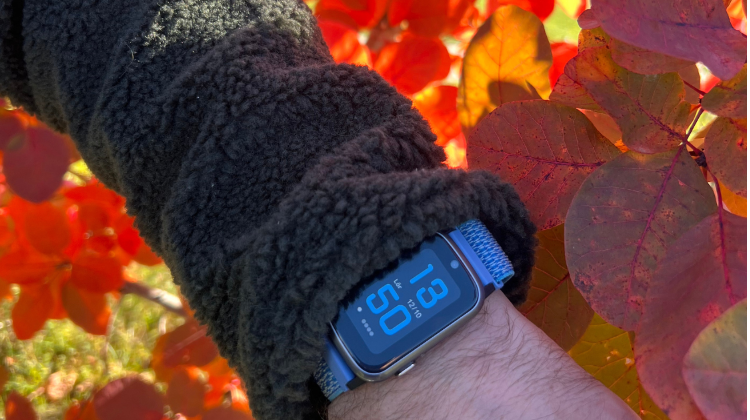
READ ABOUT HOW SENSOREM’S PERSONAL ALARM AUTOMATICALLY DETECTS FALLS
Sources
- Läkemedelsboken. Osteoporosis – investigation and treatment. https://lakemedelsboken.se
- Läkartidningen. Physical activity in osteoporosis. https://lakartidningen.se
- Internetmedicin. Osteoporosis – treatment overview. https://www.internetmedicin.se
When to seek care
Contact your GP if you would like to have your bone density tested or if you have risk factors for osteoporosis. Call 112 (or your local emergency number) if you fall and cannot get up or have severe pain.
Read more: What is osteoporosis? – Osteoporosis symptoms – Osteoporosis treatment – Osteoporosis in the spine