
When should a personal alarm be provided? – guidance for care professionals
A personal alarm should be provided when there is increased risk, social isolation or a reduced ability to call for help. Needs assessment and response time are key.
Part of community care in the UK
A personal alarm – also called a telecare alarm or community alarm – is an assistive device that enables older or vulnerable people to summon help quickly in an emergency.
For care professionals, it is not only about technology but about conducting a correct needs assessment, where patient safety and independent living are central considerations.
In the UK, personal alarms are provided through local councils as part of adult social care under the Care Act 2014. Some local authorities provide telecare services free of charge or at a subsidised rate; others may charge a small weekly fee. Eligibility is always based on an individual needs assessment (1).
What is a personal alarm in this context?
A personal alarm is a wearable assistive device that makes it possible to:
- raise an alert when help is needed
- establish direct contact with a response centre or carer
- enable a rapid response
- in some cases, automatically trigger an alert such as when a fall is detected
It is primarily used by people living at home who are not under continuous supervision.
When should a personal alarm be provided?
According to GOV.UK, some local authorities provide telecare services. Contact adult social care services at your local authority and ask if they provide telecare services. If they do, they will arrange a home assessment (1).
A home assessment typically considers:
- Whether the person has a condition that may result in an acute need for help
- Whether there is a risk of falls and injury
- Whether the person experiences feelings of unsafety or anxiety at home
- Whether they live alone with limited support nearby
Eligibility can depend on various factors such as age, income level, medical conditions and disabilities (2).
Risk-based needs assessment
The assessment should be based on a structured review of:
- physical function (balance, mobility)
- cognitive ability
- previous incidents
- social situation (isolation, support network)
- home environment
The assessor – often from adult social care, a community health team or following hospital discharge – will evaluate needs and risks and recommend appropriate equipment (1).
When is a personal alarm particularly indicated?
A personal alarm is especially appropriate when:
- the person has had previous falls
- there is a risk of lying undiscovered for a long time after a fall
- the person spends significant time alone
- response time from family or carers is long
Long periods lying on the floor following a fall are associated with serious medical complications and are a common trigger for loss of independence.
Cognitive impairment and ability to use the alarm
Where cognitive impairment is present, particular attention must be paid to the person’s ability to operate the device.
This means that:
- manual alarms may be insufficient
- automatic detection features may be required
- support arrangements may need to be adapted
Manual and automatic alarms
When recommending a solution, it is important to distinguish between:
- manual alarms, which require the user to press a button
- automatic alarms, which can trigger on detecting a fall or prolonged inactivity
For people with high risk or limited capacity to act, automatic features can significantly improve safety outcomes.
Response time is critical
Response time is a central factor in any needs assessment.
It refers to:
- how quickly an alert reaches the monitoring centre or carer
- how quickly a physical response can be arranged
- whether there is a backup if the first contact cannot respond
Council-provided telecare alarms typically connect to a 24-hour monitoring centre, which contacts nominated key holders, family or emergency services as appropriate (2).
Right to appeal
If a local authority declines to provide telecare support, the person has the right to request a review of the decision. Local authorities must follow the Care Act 2014 eligibility criteria and provide written reasons for any refusal (1).
Limitations and supplementary needs
A personal alarm is not always sufficient as a standalone measure.
There may also be a need for:
- regular care visits
- home adaptations
- other assistive technology
- medication management support
A care manager can arrange a personal alarm as part of a funded care package and help coordinate a holistic plan. It is also important to understand who benefits most from a personal alarm to ensure provision is based on the right grounds.
Provision should form part of a holistic care plan.
Practical considerations when choosing a solution
When recommending a personal alarm, consider:
- coverage (indoors and outdoors)
- GPS positioning
- alarm chain and named contacts
- what happens if no one responds
- ease of use for the individual
These factors affect both functionality and user safety.
Personal alarm as support for independent living
Sensorem’s personal alarm is a technical assistive device that enables fast alarm handling. The alarm can be activated manually or automatically and calls pre-defined contacts via two-way communication. The device works both indoors and outdoors and has built-in GPS positioning, making it possible to locate the user and ensure that the right response is initiated in time.
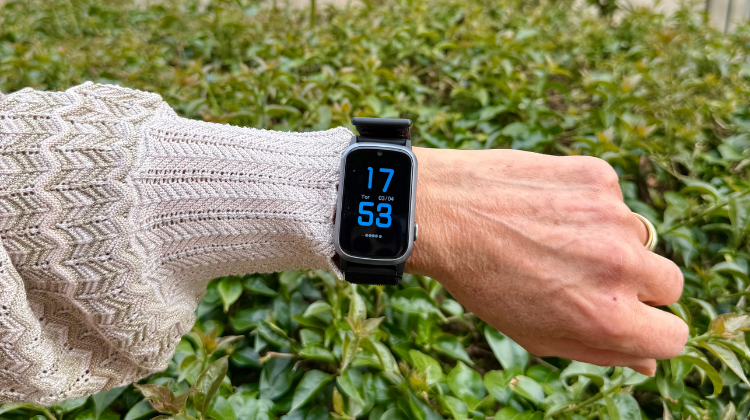
SEE HOW SENSOREM’S PERSONAL ALARM CAN SUPPORT INDEPENDENT LIVING
Sources
- [1] GOV.UK. Find a telecare provider. https://www.gov.uk/guidance/find-a-telecare-provider
- [2] NHS. Personal alarms, monitoring systems (telecare) and key safes. https://www.nhs.uk/social-care-and-support/care-services-equipment-and-care-homes/personal-alarms-security-systems-and-keysafes/