
Lone working accidents – the most common incidents
A workplace accident involving a lone worker often has more serious consequences than it would otherwise – without colleagues nearby, help takes longer to arrive. Here we set out the most common types of incident and what employers can do to prevent them.
Why do accidents become more serious in lone working?
What makes lone working particularly hazardous is not always the accident itself – it is the time before help arrives. No one witnesses what has happened, no one can raise the alarm directly, and the response is delayed. HSE guidance and HASAWA 1974 specifically require that lone workers must be able to summon help quickly [1].
The most common incident types
Falls – slips, trips, falls from ladders and stumbles in unfamiliar environments. Falls are one of the most common causes of serious workplace injury. Read about automatic alarms in fall incidents.
Sudden medical episodes – cardiac events, stroke or other acute conditions require immediate help. In lone working situations there is no one to notice or raise the alarm.
Threats and violence – particularly prevalent in home care, security and customer-facing roles. Without colleague support, the worker is more exposed. Read about personal alarms in unsafe situations.
Machine and equipment injuries – crush injuries, electrical incidents and tool-related injuries. Even a minor incident can become serious if not discovered in time.
Traffic-related incidents – staff travelling between assignments face increased risk of road accidents.
Preventive measures
- Carry out a documented lone worker risk assessment
- Identify and address the highest-risk tasks
- Ensure staff can raise an alarm even if they cannot make a phone call – a personal alarm with automatic man-down alert is central
- Follow up on incidents and review the risk assessment regularly
Failures can lead to serious legal consequences. Read about lone working risks.
A personal alarm with man-down alert increases workplace safety
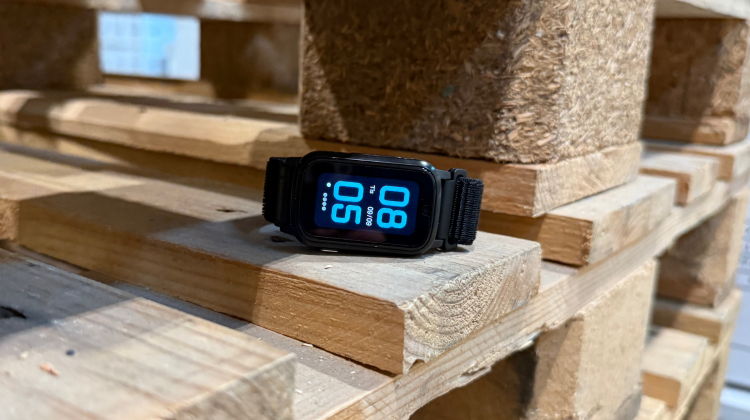
Sensorem’s personal alarm has an automatic man-down alert that calls alarm recipients via the watch’s built-in speakerphone with two-way communication. The alarm works outdoors and has built-in GPS positioning.
READ ABOUT SENSOREM’S PERSONAL ALARM FOR LONE WORKERS
Sources
- [1] HSE. Lone working. https://www.hse.gov.uk/lone-working/
- [2] HSE. Workplace injury statistics. https://www.hse.gov.uk/statistics/