
What Causes a Brain Hemorrhage?
A brain hemorrhage – also called a bleed on the brain – occurs when a blood vessel bursts and blood leaks into the brain tissue. The most common cause is high blood pressure, but aneurysms, blood-thinning medications and vascular malformations also play an important role.
A brain hemorrhage is a serious medical condition. Read more about what a brain hemorrhage is and symptoms of brain hemorrhage.
A brain hemorrhage is a form of stroke
Stroke is an umbrella term for two main types of acute brain injury:
- Ischaemic stroke – caused by a blood clot blocking blood flow.
- Haemorrhagic stroke (brain hemorrhage) – caused by a burst blood vessel.
A bleed on the brain accounts for approximately 10–15% of all strokes but is generally more life-threatening [1].
Causes of intracerebral hemorrhage
- High blood pressure (hypertension) – The most common cause. Up to 60–70% of intracerebral hemorrhages are attributed to hypertension [2].
- Atherosclerosis – Stiffened vessel walls become more vulnerable to damage.
- Blood-thinning medications – Warfarin, NOACs or aspirin increase the risk, particularly following a fall.
- Clotting disorders – Conditions where blood cannot clot normally.
- Brain tumours – Certain tumours can bleed spontaneously.
Causes of subarachnoid hemorrhage
- Aneurysm – A weakened area in a vessel wall that forms a bulge. When it ruptures, a sudden bleed occurs.
- Arteriovenous malformations (AVMs) – Congenital abnormalities in blood vessels.
- Head trauma – Severe blows to the head.
Other risk factors
- Smoking, heavy alcohol use, drug misuse (especially cocaine or amphetamines), older age and family history.
Read more: What is a brain hemorrhage? – Symptoms of brain hemorrhage – Safety alarm after stroke – Automatic fall alarm
Safety alarm with automatic fall alarm can increase safety for people with an increased risk of falling
Sensorem’s personal alarm is an example of a technical aid specially developed for people who have an increased risk of falling. The personal alarm can automatically trigger the alarm in the event of a fall and then call relatives using the watch’s built-in speakerphone with two-way communication. The personal alarm works outdoors and has built-in GPS positioning so that relatives can see the user’s position on a map in the Sensorem app.
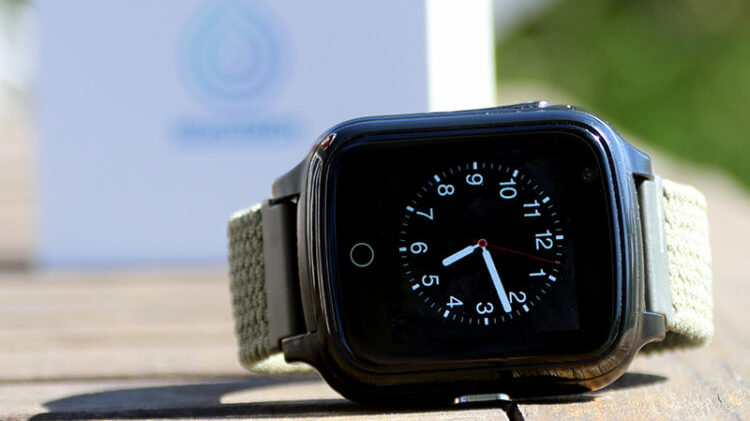
SENSOREM’S PERSONAL ALARM CAN INCREASE SAFETY AFTER A STROKE
References
- [1] Stroke Association. Types of stroke. https://www.stroke.org.uk
- [2] Qureshi AI et al. “Intracerebral hemorrhage.” The Lancet, 2009.
- [3] van Gijn J, Rinkel GJE. “Subarachnoid haemorrhage.” Brain, 2001.