
What is vascular dementia?
Vascular dementia is the second most common form of dementia and occurs when blood flow to the brain is disrupted – often by stroke or vascular disease. Symptoms vary depending on which parts of the brain are affected and typically worsen in distinct steps.
What Is Vascular Dementia?
Vascular dementia occurs when the brain does not receive sufficient blood flow over time, damaging brain cells. This can happen suddenly following a stroke or gradually as a result of small bleeds or vascular disease in the brain.
Vascular dementia is the second most common form of dementia after Alzheimer’s disease, accounting for approximately 15–20% of all dementia cases. It is more common in men and typically occurs after age 65.
Symptoms of Vascular Dementia
Symptoms vary depending on which parts of the brain are affected:
- Memory loss – particularly for recent events
- Confusion and disorientation – especially following strokes
- Reduced concentration and planning ability
- Language and speech problems
- Impaired walking – slow and unsteady gait
- Dizziness and increased fall risk
- Behavioural changes – irritability, depression and apathy
- Incontinence in later stages
A hallmark of vascular dementia is that symptoms may appear suddenly after a stroke, stabilise, and then worsen in steps with further vascular events.
Causes and Risk Factors
Vascular dementia results from reduced blood flow to the brain:
- Stroke – blockages or bleeds in the brain’s blood vessels
- Small vessel disease – damage to the brain’s smallest blood vessels over time
- TIA – a mini-stroke significantly increases the risk
Modifiable risk factors:
- High blood pressure – the single most important factor
- Diabetes, high cholesterol, smoking
- Atrial fibrillation and heart disease
Prognosis and Life Expectancy
Life expectancy after diagnosis varies significantly – from 3 to 10 years or more, depending on age at diagnosis and underlying health conditions. Active management of risk factors is key to slowing disease progression.
Diagnosis and Treatment
Diagnosis involves cognitive testing (MMSE, MoCA), blood tests and brain imaging (MRI or CT).
Treatment focuses on preventing further vascular events: blood pressure medication, anticoagulants for atrial fibrillation, statins and lifestyle changes. No drugs are specifically approved for vascular dementia, though some Alzheimer’s medications may have moderate benefit.
Many families choose a dementia tracker (GPS) that automatically alerts relatives if the person leaves a safe area.
When to Seek Help
Contact your GP if you or a relative notices symptoms of vascular dementia. Call 999 (UK) or 112 in an emergency – sudden weakness, speech difficulties or severe headache may indicate a stroke.
Sensorem’s Personal Alarm with GPS Positioning, Medication Reminder and Automatic Fall Detection
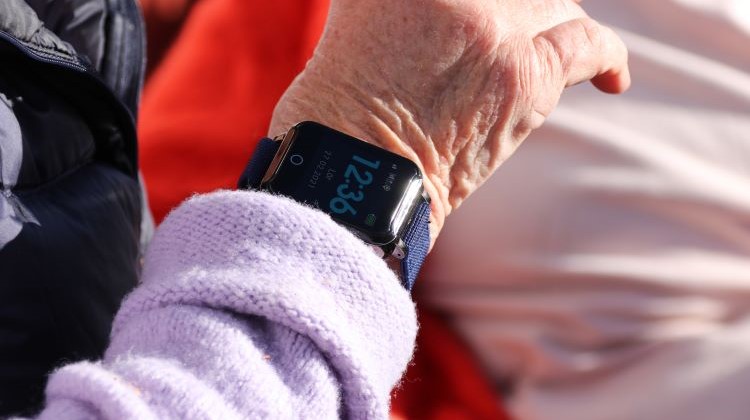
Sensorem’s personal alarm is an example of a technical aid specially developed for people with dementia. The alarm works outdoors and has built-in GPS positioning so that relatives can see the user’s location on a map in the Sensorem app. Relatives are automatically called by the alarm (two-way communication) if the user leaves a predetermined geographical area. The alarm also has a medication reminder and can alert automatically in the event of a fall with the built-in fall sensor.
READ ABOUT HOW SENSOREMS PERSONAL ALARM CAN HELP WITH DEMENTIA
References
- [1] NHS. Vascular dementia – overview. https://www.nhs.uk
- [2] Alzheimer’s Society. Vascular dementia. https://www.alzheimers.org.uk
- [3] 1177 Vårdguiden. Vaskulär demens. https://www.1177.se
Read more: What is dementia? – Alzheimer’s – What is a stroke? – TIA attack – Dementia tracker