
What Are the Survival Chances After a Brain Hemorrhage?
A brain hemorrhage is one of the most serious medical conditions a person can face. It occurs when a blood vessel in the brain ruptures and blood leaks into brain tissue. Survival chances depend on the type of bleed, speed of treatment and the patient’s overall health – every minute counts.
A Brain Hemorrhage Is a Type of Stroke
Stroke is an umbrella term for two main types of brain injury: ischemic stroke (caused by a blood clot) and hemorrhagic stroke (caused by a ruptured blood vessel). Brain hemorrhages account for about 10–15% of all strokes, but they tend to have a higher fatality rate than ischemic strokes [1].
Different Types of Brain Hemorrhage
- Intracerebral hemorrhage – bleeding within the brain tissue
- Subarachnoid hemorrhage – bleeding between the brain and the surrounding membranes, often due to a ruptured aneurysm
Survival Statistics
- Around 40–50% of people with intracerebral hemorrhage die within the first month [2]
- Subarachnoid hemorrhage has a 30-day mortality of approximately 30–40%
- Many survivors experience lasting disabilities
Prognosis improves with early treatment, younger age and smaller bleeds.
Symptoms – Call Emergency Services Immediately
- Sudden, severe headache – often described as “the worst of my life”
- Facial drooping, arm or leg weakness – typically on one side
- Speech difficulties or confusion
- Visual disturbances
- Nausea and vomiting
- Loss of consciousness
Call 999 (UK) or 112 immediately. Use the FAST rule: Face drooping, Arm weakness, Speech difficulty, Time to call.
Causes and Risk Factors
- High blood pressure – the most important modifiable risk factor
- Aneurysms and arteriovenous malformations (AVM)
- Blood-thinning medications
- Head trauma and falls
- Coagulation disorders
Also read: What is a TIA attack? – a warning sign of future stroke risk.
Treatment
Treatment requires hospital admission with neurological intensive care. Depending on type and severity:
- Blood pressure medication and management of brain swelling
- Surgery to drain blood or treat the aneurysm
- Rehabilitation following the acute phase
A Personal Alarm with Automatic Fall Detection Can Increase Safety for People with a Higher Risk of Falling
Sensorem’s personal alarm is an example of a technical aid specially developed for people with a higher risk of falling. The alarm can automatically detect falls and call relatives using the watch’s built-in speakerphone with two-way communication. The alarm works outdoors and has built-in GPS positioning so that relatives can see the user’s location on a map in the Sensorem app.
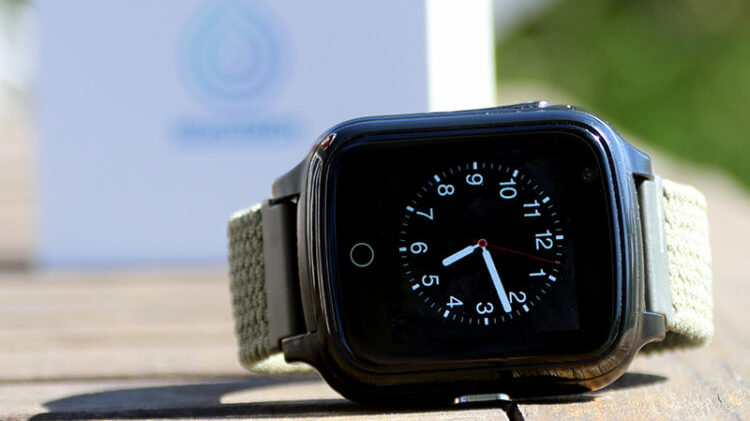
SENSOREM’S PERSONAL ALARM CAN INCREASE SAFETY AFTER A STROKE
References
- [1] NHS. Brain haemorrhage – overview. https://www.nhs.uk
- [2] American Heart Association. Hemorrhagic stroke statistics. https://www.heart.org
- [3] Stroke Association. Brain haemorrhage. https://www.stroke.org.uk
Read more: What is a stroke? – TIA attack – Safety alarm after stroke