
Osteoporosis Symptoms – How Do You Know You Have It?
Osteoporosis is often called the “silent disease” – it causes almost no symptoms until a bone suddenly breaks. Yet there are early signs to look for, and a simple scan can confirm the diagnosis before the first fracture has a chance to occur.
Why Does Osteoporosis Cause No Early Symptoms?
Unlike most diseases, osteoporosis causes no pain, swelling or fatigue in its early stages. Bone tissue breaks down so gradually that the body does not trigger pain signals. It is only when the bone has lost enough of its strength – and is subjected to an impact or a fall – that the damage becomes apparent [1].
This makes osteoporosis one of the most underdiagnosed diseases. It is estimated that around half of all those who have the condition have no diagnosis.
Early Signs That May Indicate Osteoporosis
Although osteoporosis causes no direct symptoms, there are indirect signs that should prompt a bone density scan:
- Fracture from a minor injury – did you break a bone in a fall that should not normally have caused a fracture? This is the clearest sign
- Back pain without a known cause – may be due to a vertebral compression fracture that occurred without being noticed
- Loss of height – have you become shorter in recent years? More than 3–4 cm may indicate vertebral compression fractures
- Stooped posture – a rounded upper back is a classic sign that vertebrae have compressed [2]
These signs can have other causes, but if one or more are present you should speak to your doctor about a bone density scan.
Risk Factors – Who Should Get Tested?
Certain groups have a significantly higher risk and should be tested even without symptoms:
Strong risk factors:
- Women over 65
- Men over 70
- Previous low-energy fracture (broken arm, hip or vertebral compression from a minor injury)
- Long-term corticosteroid treatment (more than 3 months)
- Early menopause (before age 45)
Other risk factors:
- Smoking
- High alcohol consumption
- Low body weight (BMI below 20)
- Family history – parent with hip fracture
- Conditions such as COPD, rheumatoid arthritis or hyperthyroidism [1, 3]
If you have one or more strong risk factors, ask your GP for a referral for a bone density scan.
How Is the Diagnosis Made? – DXA and T-score
Osteoporosis is diagnosed using a bone density scan called DXA (dual-energy X-ray absorptiometry). The scan is simple, painless and takes 10–15 minutes. It measures mineral density in the hip and lumbar spine – the sites where osteoporotic fractures are most common.
The result is expressed as a T-score, which compares your bone density to that of a young healthy person:
| T-score | Diagnosis |
|---|---|
| Above -1.0 | Normal bone density |
| -1.0 to -2.5 | Osteopenia (early bone loss) |
| Below -2.5 | Osteoporosis |
| Below -2.5 + previous fracture | Severe osteoporosis |
Osteopenia is not the same as osteoporosis but indicates increased risk – and is an opportunity to introduce preventive measures before bone loss progresses [2].
FRAX – Calculating Fracture Risk Without DXA
In addition to DXA, a calculation tool called FRAX, developed by the WHO, is widely used. It calculates the risk of hip fracture and other major osteoporotic fractures over the next 10 years, based on age, sex, weight, risk factors and DXA results where available.
FRAX helps doctors decide whether to start treatment – and helps prioritise which patients need it most [3].
Osteopenia – Does It Need Treatment?
Osteopenia does not always require medication. Depending on FRAX score and risk factors, measures such as diet, exercise, stopping smoking and calcium supplementation may be sufficient at this stage.
The most important things at the osteopenia stage are:
- Monitor bone density regularly (usually every 2 years)
- Introduce lifestyle changes immediately
- Discuss with your doctor whether and when medication should be started [1]
Read more about osteoporosis treatment – what is available and how it works.
Osteoporosis Symptoms in the Spine – Vertebral Compression Fracture
Vertebral compression fracture is one of the most common and painful manifestations of osteoporosis. It occurs when a vertebra collapses under the skeleton’s own weight – without any external trauma.
Symptoms of vertebral compression fracture:
- Sudden, sharp back pain that can be difficult to distinguish from a muscle problem
- Pain worsens with movement and may be relieved lying down
- Sometimes the fracture occurs completely without pain and is only noticed as height loss
Many vertebral compression fractures are not diagnosed until an X-ray is taken for another reason. This is one reason osteoporosis is so often called the silent disease [2].
Osteoporosis and Fall Risk – Why Lack of Symptoms Is a Problem
The most dangerous thing about osteoporosis having no symptoms is that it creates a false sense of security. The person feels well, moves normally – and then falls. Without brittle bones, a fall on a slippery floor would cause a bruise. With osteoporosis, it causes a hip fracture.
That is the direct connection to our product: a personal alarm with automatic fall detection alerts immediately when a fall occurs – without the person needing to press a button. This is critical for someone living alone with osteoporosis, where every minute after a fall counts.
Personal Alarm with Automatic Fall Detection for People with Osteoporosis
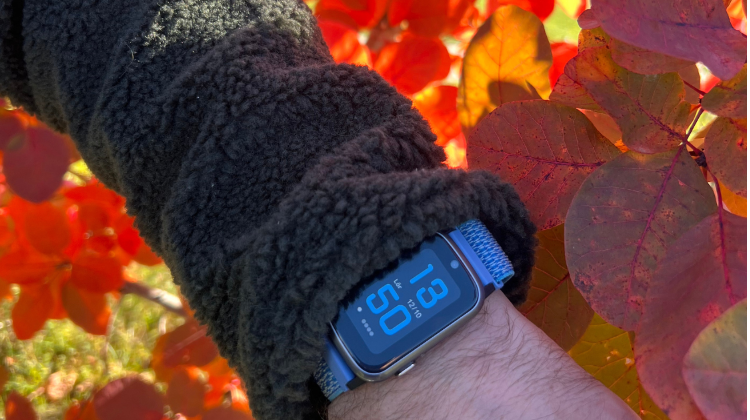
With osteoporosis, a fall is never without risk. Sensorem’s personal alarm automatically detects falls and calls relatives via the watch’s built-in speakerphone – even if the person cannot press the button. The alarm works outdoors and has built-in GPS positioning.
READ ABOUT HOW SENSOREM’S PERSONAL ALARM AUTOMATICALLY DETECTS FALLS
Sources
- Läkemedelsboken. Osteoporosis – investigation and treatment. https://lakemedelsboken.se
- 1177 Vårdguiden. Osteoporosis. https://www.1177.se/sjukdomar–besvar/skelett-leder-och-muskler/skelettet/osteoporos/
- Internetmedicin. Osteoporosis – treatment overview. https://www.internetmedicin.se
When to seek care
Contact your GP if you have risk factors for osteoporosis, if you have noticed you have become shorter, or if you have had a fracture from a minor injury. Call 112 (or your local emergency number) if you fall and cannot get up or have severe pain.
Read more: What is osteoporosis? and Osteoporosis treatment