
Falls in older adults – causes, risks and prevention
Falls are the most common cause of injury in older adults and can lead to serious injuries including hip fractures and brain haemorrhage. Many falls can be prevented – with the right aids, exercise and awareness of the risk factors.
Why do older adults fall?
A fall rarely occurs from a single cause. Typically, several factors combine – changes in the body with age alongside external hazards in the environment.
The most common causes of falls in older adults are:
- Reduced balance and muscle weakness – muscle mass and reaction speed decline naturally with age
- Impaired vision – reduced depth perception and contrast sensitivity make it harder to judge distances and see obstacles
- Dizziness and postural hypotension – a drop in blood pressure upon standing is common and can trigger a fall
- Medications – sleeping tablets, blood pressure medications and sedatives significantly increase fall risk
- Chronic conditions – Parkinson’s disease, dementia, diabetes and COPD all affect balance and mobility
- Hazardous environments – loose rugs, poor lighting, thresholds and slippery surfaces
How serious are falls?
Falls are not just a problem for the person who falls – they affect the whole family and place great demands on health services.
- In the UK, falls are the most common cause of injury-related hospital admissions among older adults, with over 220,000 admissions per year for hip fractures [1]
- Hip fracture is the most common serious fall injury – around one in three patients who fractures a hip dies within a year [1]
- Falls onto the head can cause brain haemorrhage or TIA
- Fear of falling again often leads to reduced activity – which in itself increases fall risk
7 ways to prevent falls
1. Make the home safe Remove loose rugs, ensure cables are not on the floor and install good lighting in all rooms – especially in the hallway and bathroom. Non-slip mats in the shower and grab rails by the toilet and bath reduce risk significantly.
2. Train balance and muscle strength Physical activity is one of the most effective measures against falls. Balance exercises such as Tai Chi, leg strength training and walking strengthen the muscles that keep you upright.
3. Review medication Certain medicines that can cause dizziness and increased fall risk should be reviewed regularly by a doctor. Always tell your GP if you feel dizzy or unsteady.
4. Check vision and hearing Poor vision is a direct risk factor for falls. Have regular eye tests and update glasses when needed. Hearing loss also affects balance through the inner ear.
5. Wear suitable footwear Comfortable and supportive shoes with non-slip soles are important. Avoid slippers and socks on their own indoors – these are a common cause of falls.
6. Be aware of dizziness Sudden dizziness in older adults can have many causes. Rise slowly from bed or a chair to avoid blood pressure drops. With recurring dizziness – see a doctor.
7. Have regular health checks Regular GP visits can identify risk factors in time – osteoporosis, heart conditions and vision problems are all treatable conditions that affect fall risk.
What happens after a fall?
The immediate response after a fall is critical. If a person is alone and cannot get up, swift help is essential to avoid hypothermia and further injury.
- Call 999 if you suspect a fracture, head injury or if the person cannot get up
- Do not attempt to lift a person who may have broken a bone – wait for help
- Record where and how the fall happened to help prevent future falls
Personal alarm for older adults with automatic fall detection can increase safety for those at higher risk of falling
Sensorem’s personal alarm is an example of a technical aid developed specifically for people at increased risk of falling. The alarm can alert automatically in the event of a fall and then call relatives via the watch’s built-in speakerphone with two-way communication. The alarm works outdoors and has built-in GPS positioning so that relatives can see the user’s location on a map in the Sensorem app.
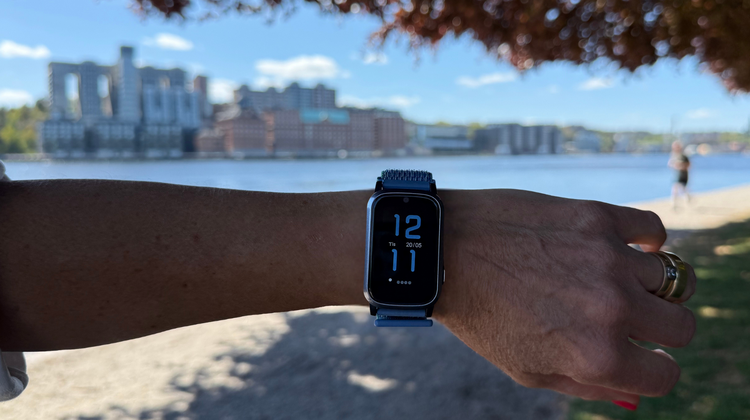
READ ABOUT HOW SENSOREM’S PERSONAL ALARM AUTOMATICALLY CAN DETECT A FALL
Sources
- [1] NHS England. Falls. https://www.england.nhs.uk/ourwork/prevention/secondary-prevention/falls/
- [2] Age UK. Preventing falls. https://www.ageuk.org.uk/information-advice/health-wellbeing/keeping-well/falls/
- [3] NICE. Falls in older people: assessing risk and prevention. https://www.nice.org.uk/guidance/cg161