
Dementia test – how to test yourself for dementia
Worrying about memory is common, especially as we get older. If you suspect your memory has declined, you can do simple self-tests at home – but remember they never replace a professional assessment by a doctor.
Worrying about your memory is common, especially as we get older. Forgetfulness can be caused by many factors such as stress, lack of sleep or ageing, but it can also be a sign of something more serious like dementia. Detecting cognitive difficulties early can be crucial to getting the right help and support. Read also about early signs of dementia.
Memory self-tests at home
If you suspect your memory has declined, you can test yourself at home using simple exercises. There are various digital and written tests that can give an indication of your cognitive ability.
Some common memory tests include:
- Word learning test – Try to memorise a list of words and recall them after a few minutes.
- Clock drawing test – Draw a clock and place the hands at a specific time.
- Orientation test – Ask yourself what the date, day and year is today.
- Word fluency test – Try to name as many words as possible starting with a specific letter within one minute.
When should you see a doctor?
If you notice that your memory problems are affecting your daily life, you should contact a doctor for a more thorough assessment. Professional tests can help determine whether the issue is dementia or something else, such as depression or vitamin deficiency.
Signs that you should seek help:
- Your loved ones have noticed a decline in your memory or behaviour.
- You repeatedly forget important events or lose objects.
- You struggle to perform everyday tasks.
- You feel worried or anxious about your cognitive ability.
Preventive measures
While there is no cure for dementia, there is much you can do to reduce the risk and strengthen brain health:
- Brain exercise – Do crosswords, read books and learn new skills.
- Physical activity – Regular exercise improves blood flow to the brain.
- Social interaction – Spend time with family and friends to stimulate the brain.
- Healthy diet – Eat a balanced diet rich in fruit, vegetables and omega-3.
- Sleep and stress management – Prioritise good sleep and reduce stress in daily life.
Read more: What is dementia? – Early signs of dementia – Alzheimer’s disease – Dementia tracker
Sensorem’s safety alarm has GPS positioning, medication reminders and automatic fall alarm
Sensorem’s personal alarm is an example of a technical aid specially developed for people with dementia. The personal alarm works outdoors and has built-in GPS positioning so that relatives can see the user’s position on a map in the Sensorem app. Relatives are automatically called by the personal alarm (two-way communication) if the user leaves a predetermined geographical area. The personal alarm also has medication reminders, which means that the watch emits a sound and tells the user that it is time to take their medication. The personal alarm can also alert automatically in the event of a fall with the built-in fall sensor.
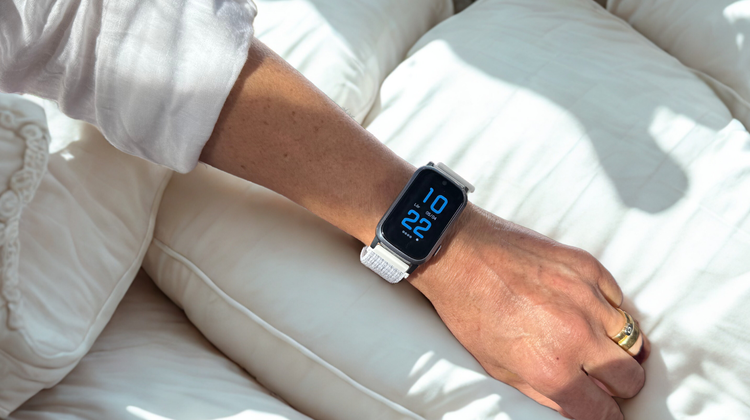
READ ABOUT HOW SENSOREMS PERSONAL ALARM CAN HELP WITH DEMENTIA
References
- [1] Alzheimer’s Society. Memory tests and dementia. https://www.alzheimers.org.uk
- [2] NHS. Memory loss – when to see a GP. https://www.nhs.uk
- [3] Alzheimer’s Association. Memory screening. https://www.alz.org