High blood pressure is often called a “silent disease” since it rarely causes clear symptoms. When signs do appear, they may include headaches, dizziness or fatigue. Long-term elevated pressure increases the risk of stroke, heart attack and dementia – and blood pressure medication can also raise fall risk, especially in older adults.
Why High Blood Pressure Is Dangerous
High blood pressure, or hypertension, is one of the leading risk factors for cardiovascular disease worldwide. About 25% of the adult population is affected [1]. Many people are unaware of it, since the condition often develops slowly and can remain symptom-free for years.
This makes hypertension a “silent” but dangerous disease that, over time, can cause serious damage to the heart, brain, kidneys and blood vessels.
The Silent Disease
Blood pressure is the force created when blood is pumped through the arteries. When pressure remains too high for a long time, the artery walls are damaged and the heart has to work harder. Despite this, most people feel completely healthy.
Many are diagnosed only during a routine check-up, sometimes before surgery or as part of another investigation. This is why regular blood pressure checks are so important – especially after the age of 40.
Possible Symptoms of High Blood Pressure
Even though hypertension is often symptom-free, some people may experience:
- Recurring headaches, especially in the morning
- Dizziness or balance problems, sometimes when changing position quickly
- Fatigue and difficulty concentrating, when the brain doesn’t receive optimal blood flow
- Vision disturbances, such as blurred vision or flickering
- Heart palpitations or the feeling that the heart is beating hard or irregularly
- Shortness of breath during exertion that previously posed no difficulty
- Blood in urine, which may indicate the kidneys have been affected
- Wheezing or pressure in the chest at very high pressure levels
- Nosebleeds that recur without obvious cause
These symptoms are non-specific and can equally be caused by other conditions, making high blood pressure difficult to identify without measurement [2].
How High Blood Pressure Damages the Body
When blood pressure is elevated for a long time, damage gradually develops throughout the body. Common consequences include:
- Hardening of the arteries (atherosclerosis), which increases the risk of blood clots
- Stroke – one of the most serious consequences. High blood pressure is the single largest risk factor for stroke
- Heart attack and heart failure, as the heart is overworked and blood vessels are damaged
- Reduced kidney function, as the delicate kidney vessels are damaged by high pressure
- Dementia, as small blood vessels in the brain can be affected and cause oxygen deprivation over time [3]
Read more about which diseases can cause high blood pressure and why people get high blood pressure.
Risk Factors for High Blood Pressure
Several factors can increase the risk of developing hypertension:
- Age – blood pressure often rises naturally with age
- Heredity – a family history of high blood pressure increases the risk
- Obesity – especially abdominal fat
- Smoking and high alcohol consumption – negatively affect blood vessel function
- Stress – prolonged stress can raise blood pressure
- Physical inactivity – lack of exercise affects both blood pressure and heart health
- High salt intake – salt retains fluid in the body and can increase pressure in the blood vessels [4]
Lifestyle changes including more exercise, better diet, reduced alcohol consumption and quitting smoking can have a major effect on blood pressure.
High Blood Pressure and Fall Risk
Beyond cardiovascular risk, there is another lesser-known connection – high blood pressure and fall accidents.
- Dizziness and balance problems can make people with high blood pressure more prone to losing their balance
- Blood pressure-lowering medications can sometimes cause a drop in pressure when standing up quickly – known as orthostatic hypotension. This can trigger dizziness and in the worst case a fall [5]
- In older adults, where falls are already a common cause of hospitalisation, correct blood pressure treatment is especially important to reduce both cardiovascular and fall risk
Regularly monitoring blood pressure and ensuring the correct dosage of medications that can cause dizziness and fall risk can help prevent falls and fractures. Also read about how to reduce fall risk at home.
Personal Alarm with Automatic Fall Detection for People with High Blood Pressure
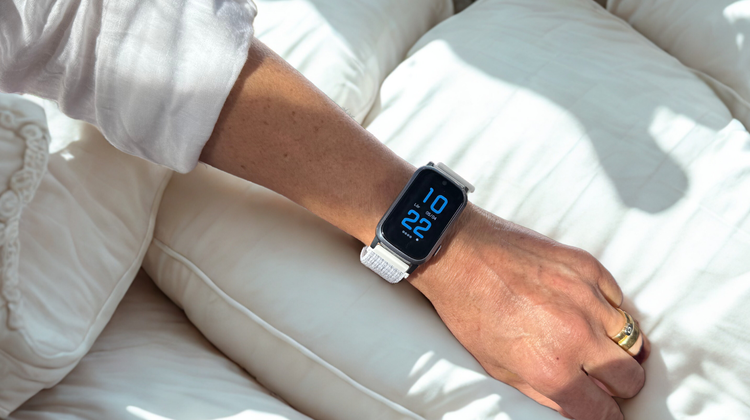
High blood pressure and blood pressure medication increase fall risk due to dizziness and orthostatic hypotension. Sensorem’s personal alarm automatically detects falls and calls relatives via the watch’s built-in speakerphone with two-way communication. The alarm works outdoors and has built-in GPS positioning.