
What Are the Symptoms of a Silent Stroke?
A silent stroke – or silent cerebral infarction – is a form of stroke where blood flow to part of the brain is temporarily blocked, causing damage to brain tissue without obvious or immediate symptoms. Most people don’t even know they have had one.
What Is a Stroke?
A stroke occurs when a blood clot or other blockage cuts off blood supply to the brain. Without oxygen, brain cells begin to die within minutes. Stroke is a medical emergency requiring immediate treatment.
Typical stroke symptoms include:
- Sudden facial drooping on one side
- Sudden weakness or numbness in an arm or leg
- Speech difficulties or confusion
- Sudden vision disturbance
- Severe sudden headache without clear cause
- Dizziness and balance problems
If you suspect stroke symptoms – call 999 (UK) or 112 immediately.
Stroke – The FAST Rule
Rapid recognition saves lives. Use the FAST rule:
- F (Face) – Is one side of the face drooping? Ask the person to smile.
- A (Arms) – Can they raise both arms?
- S (Speech) – Is speech slurred or confused?
- T (Time) – If any of these apply, call emergency services immediately.
What Is a Silent Stroke?
A silent stroke differs from a regular stroke in that it happens without obvious or immediate symptoms. Most people are unaware they have had one.
Silent strokes are often discovered incidentally during brain imaging (e.g. MRI) performed for other reasons. The images show small areas of damage in the brain that indicate a stroke occurred.
Symptoms of a Silent Stroke
Because silent strokes do not cause dramatic symptoms, they are easy to miss. Over time, however, subtle changes may appear:
- Memory problems or difficulty concentrating
- Changes in mood or personality, such as irritability or depression
- Balance or coordination difficulties
- Unusual fatigue or mental sluggishness
- Difficulty finding words or following conversations
- Mild walking problems or motor weakness
These symptoms often develop gradually and can easily be dismissed as normal ageing or stress.
Who Is at Risk?
Silent strokes are more common in older adults, but anyone with certain risk factors can experience them:
- High blood pressure
- Diabetes
- Smoking
- Atrial fibrillation
- High cholesterol
- Obesity
- Sedentary lifestyle
People who have had a silent stroke have a greater risk of experiencing a full stroke in the future. Read more about TIA attacks – transient ischaemic attacks that can warn of a coming stroke.
Sensorem’s Personal Alarm – Always There When You Need It
Sensorem’s personal alarm can automatically detect falls and call relatives using the watch’s built-in speakerphone with two-way communication. The alarm works outdoors and has built-in GPS positioning.
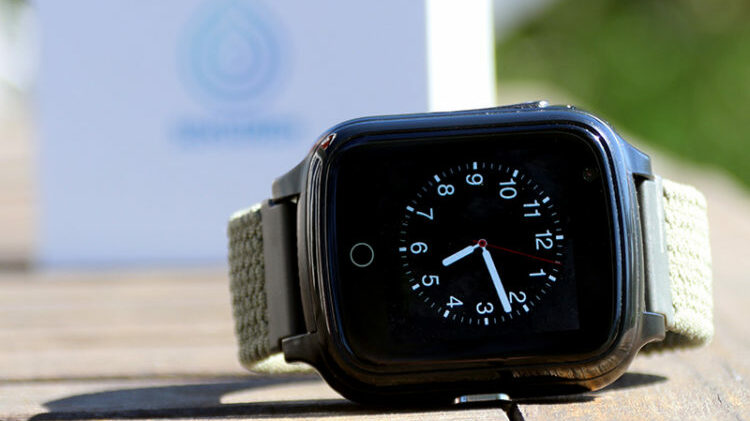
SENSOREM’S PERSONAL ALARM CAN INCREASE SAFETY AFTER A STROKE
References
- [1] NHS. Stroke – overview and symptoms.
- [2] Stroke Association. Silent stroke and risk factors.
- [3] American Heart Association. Atrial fibrillation and stroke risk.
Read more: What is a TIA attack? – Atrial fibrillation – Personal alarm