
Osteoporosis Treatment – Medication, Exercise and Diet
Osteoporosis cannot be cured, but with the right treatment the progression can be slowed significantly. Treatment aims to strengthen the skeleton, reduce the risk of fracture and – because a fall is never without risk with brittle bones – prevent falls at home.
What Is the Goal of Osteoporosis Treatment?
Treatment of osteoporosis has three aims: slow the loss of bone mass, reduce the risk of fracture and preserve mobility and quality of life. Because osteoporosis rarely causes symptoms before a bone breaks, it is important to start treatment early – before the first fracture occurs [1].
Treatment is always individual and determined by age, bone density (T-score), previous fractures and other risk factors. Several measures are often combined.
Calcium and Vitamin D – the Foundation of All Treatment
Calcium and vitamin D are the foundation of a strong skeleton and are almost always part of osteoporosis treatment, regardless of whether medication is prescribed.
- Calcium – adults need 800–1,000 mg per day. Most should come from food: dairy products, green leafy vegetables and fortified foods. Supplements are given when dietary intake is insufficient
- Vitamin D – needed for the body to absorb calcium. Vitamin D deficiency is common, particularly during winter. A supplement of 800–1,000 IU per day is recommended for older adults with osteoporosis [2]
Without adequate calcium and vitamin D, other treatments are less effective.
Medications for Osteoporosis
Bisphosphonates – first-line treatment
Bisphosphonates are the most common and best-documented drug class for osteoporosis. They slow bone breakdown and reduce the risk of hip and vertebral fracture by up to 50 percent [1].
Common bisphosphonates:
- Alendronate (Fosamax) – taken as a weekly tablet
- Risedronate – taken as a weekly or monthly tablet
- Zoledronic acid – given as an intravenous infusion once a year, making it easier for those who have difficulty taking tablets
Side effects sometimes include stomach complaints with tablet form, which can be reduced by taking the tablet correctly (standing upright, with a full glass of water, without food afterwards) [3].
Denosumab – for bisphosphonate intolerance
Denosumab (Prolia) is given as an injection every six months and is an alternative for those who cannot tolerate bisphosphonates. It has a good effect on fracture risk but requires continuous treatment – stopping can lead to rapid bone loss [1].
Hormone therapy
Oestrogen therapy after menopause can slow bone breakdown, but is today used primarily for menopausal symptoms – not as primary osteoporosis treatment – due to the risk of side effects with long-term use [2].
Bone-building treatment
In severe osteoporosis with high fracture risk, bone-forming medications (e.g. teriparatide) may be considered. They stimulate new bone formation and are typically used for 18–24 months, often followed by bisphosphonate treatment [1].
Medication Side Effects and Fall Risk
Important to know: some medications used alongside osteoporosis treatment can increase fall risk. Sleeping pills, anxiolytics and antihypertensives affect balance and reaction time – which is especially dangerous with brittle bones because a fall can result in hip fracture.
Review all medications with your doctor to identify whether any combination increases fall risk. Read more about medications that increase fall risk.
Exercise for Osteoporosis – One of the Most Important Measures
Regular physical activity is essential in osteoporosis, for two reasons: it slows bone breakdown and strengthens the muscles that maintain balance – which reduces the risk of falling.
Weight-bearing exercise stimulates bone formation more effectively than non-weight-bearing activity:
- Walking, ideally daily
- Strength training with light weights or resistance
- Stair climbing
- Dancing
Balance training directly reduces fall risk:
- Standing on one leg
- Tai chi has strong evidence for reducing falls in older adults
- A physiotherapist can design an individual programme [4]
Cycling and swimming are good for fitness but do not stimulate bone formation to the same extent because the skeleton does not bear body weight.
Avoid: High-risk activities with a significant risk of falls or impacts, such as running on uneven ground or contact sports, if bone loss is severe.
Diet for Osteoporosis
Beyond calcium and vitamin D, other dietary factors affect skeletal health:
- Protein – adequate intake is important for preserving muscle mass, which indirectly protects against falls
- Vitamin K – found in green leafy vegetables and important for bone density
- Magnesium – found in nuts, seeds and wholegrains
- Limit: salt (increases calcium excretion), high doses of caffeine and alcohol [2]
Osteoporosis and Fall Risk at Home
Treatment slows bone loss – but it does not eliminate fall risk. With osteoporosis, an ordinary fall at home can lead to hip fracture, vertebral compression or wrist fracture with serious consequences.
Fall prevention measures are just as important as medication:
- Remove loose rugs and cables
- Install grab rails in the shower and next to the toilet
- Ensure good lighting, especially at night
- Always rise slowly from a chair or bed
- Wear supportive shoes indoors – never socks on smooth floors
Many people with osteoporosis are afraid of falling and restrict their movement, which paradoxically weakens muscles further and increases fall risk. Combining treatment with safety measures at home gives the best protection. Read more about what is osteoporosis? and why falls are so dangerous with brittle bones.
Personal Alarm with Automatic Fall Detection for People with Osteoporosis
With osteoporosis, a fall is never without risk. Sensorem’s personal alarm automatically detects falls and calls relatives via the watch’s built-in speakerphone – even if the person cannot press the button. The alarm works outdoors and has built-in GPS positioning.
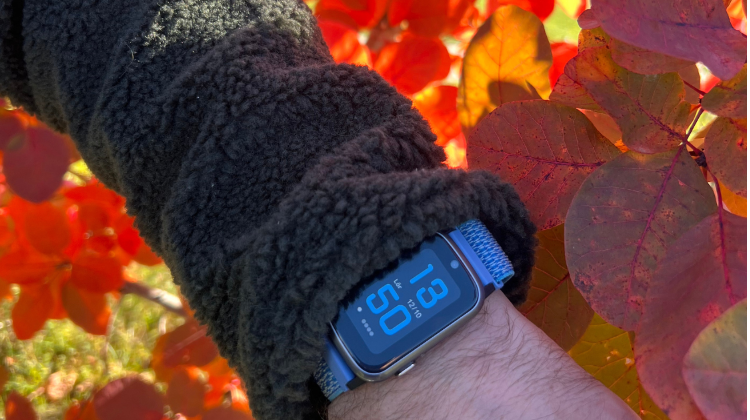
READ ABOUT HOW SENSOREM’S PERSONAL ALARM AUTOMATICALLY DETECTS FALLS
Sources
- Läkemedelsboken. Osteoporosis – investigation and treatment. https://lakemedelsboken.se
- Internetmedicin. Osteoporosis – treatment overview. https://www.internetmedicin.se
- FASS. Alendronate – product information. https://www.fass.se
- Läkartidningen. Physical activity in osteoporosis. https://lakartidningen.se
When to seek care
Contact your GP if you suspect you have osteoporosis or if you have fallen and are unsure whether you have injured yourself. Call 112 (or your local emergency number) if you fall and cannot get up or have severe pain.
Read more: What is osteoporosis? – the introductory article on symptoms and causes.